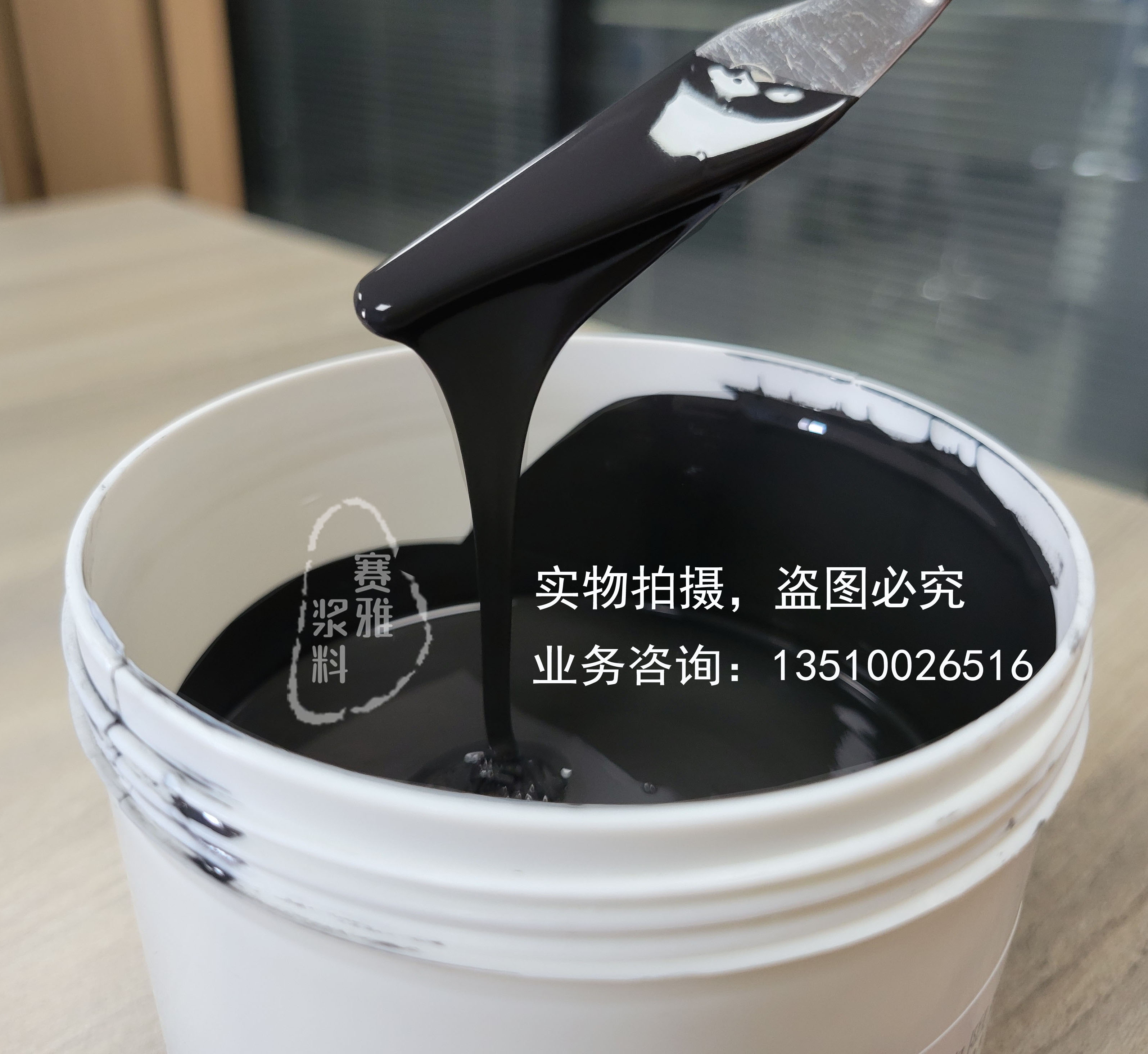
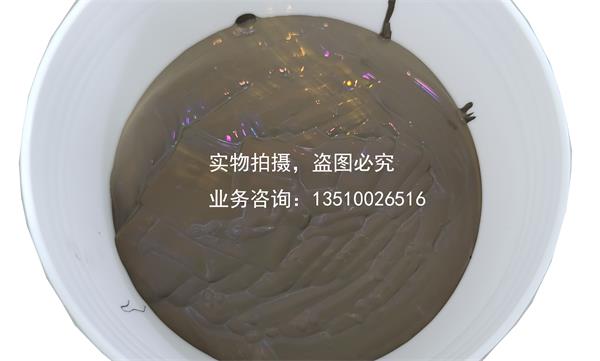
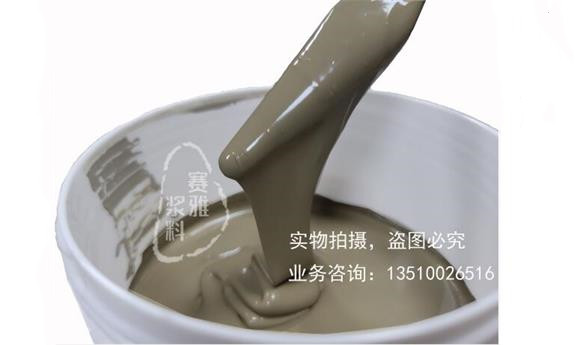
With the development of society,Resistor pasteThere are more and more varieties, and different varieties have different uses. So what are the characteristics of resist paste? And where is it applied?
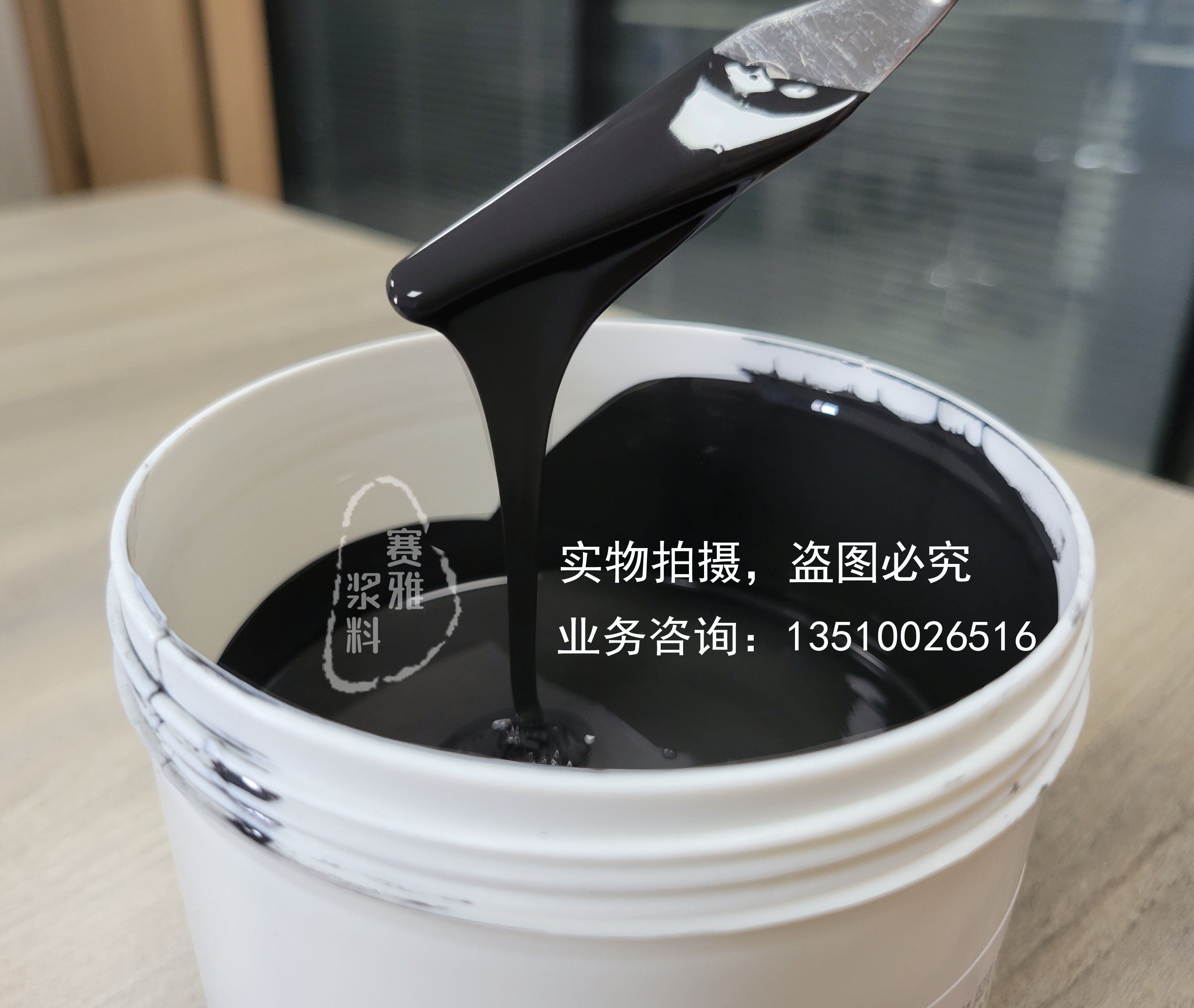
The main features of the resist paste
The shrinkage rate of tungsten paste is the same as that of ceramics, and the bonding strength between sintering and ceramics is excellent.
2. The thickness of the tungsten paste coating after sintering is approximately 0.0127 mm.
3. The tungsten paste can meet the requirements of processes such as printing and filling small holes.
4. The metal particles in the tungsten slurry can be controlled to be within 2 micrometers in size, and they have good dispersion properties.
5. The viscosity of the tungsten slurry can be adjusted according to the specific requirements of the customers.
6. Applicable to temperatures ranging from 1300°C to 1700°C.
Application of resist paste
Manganese-molybdenum paste is a printable thick-film conductor paste that can be used as a surface conductor layer for aluminum nitride, silicon nitride, beryllium oxide, and aluminum oxide substrates.
The size of the metal particles in the molybdenum-manganese slurry can be controlled to be within 2 micrometers.
The coating thickness of the molybdenum-manganese slurry after sintering is approximately 0.0127 mm.
3. The viscosity can be adjusted according to the specific requirements of the customers.
4. Applicable to temperatures ranging from 1300°C to 1580°C.
These two types of pastes are suitable for various specifications of alumina ceramics in our country.
Saya Electronic Paste,A high-tech industry specializing in the research and production of electronic pastes. Since its establishment, it has adhered to the principles of strict management, high standards and high quality, providing services to various industries and enjoying a good reputation.