In today's life, various electronic components are always used. The use of these electronic components ensures the perfect operation of various circuits and makes the use of related appliances safer and more reliable. So Resistor pasteWhat kinds are there? Let's take a look together.
What are the different types of resist pastes?
The varieties are complete. According to different uses, they are divided into medium paste, resistance paste and conductor paste; according to the types of substrates, they are classified as ceramic substrates, polymer substrates, glass substrates and metal-insulated substrates electronic pastes, etc.; according to different sintering temperatures, they can be divided into high-temperature, medium-temperature and low-temperature drying electronic pastes; according to different uses, they can be divided into general-purpose electronic pastes, used for manufacturing general thick film circuits, and special-purpose electronic pastes, stainless steel substrate electronic pastes, thermistors pastes; according to the price of the conductive phase, they are divided into precious metal electronic pastes, such as silver-palladium, ruthenium series and gold pastes, and base metal electronic pastes, such as molybdenum-manganese pastes.
The main features of the resist paste
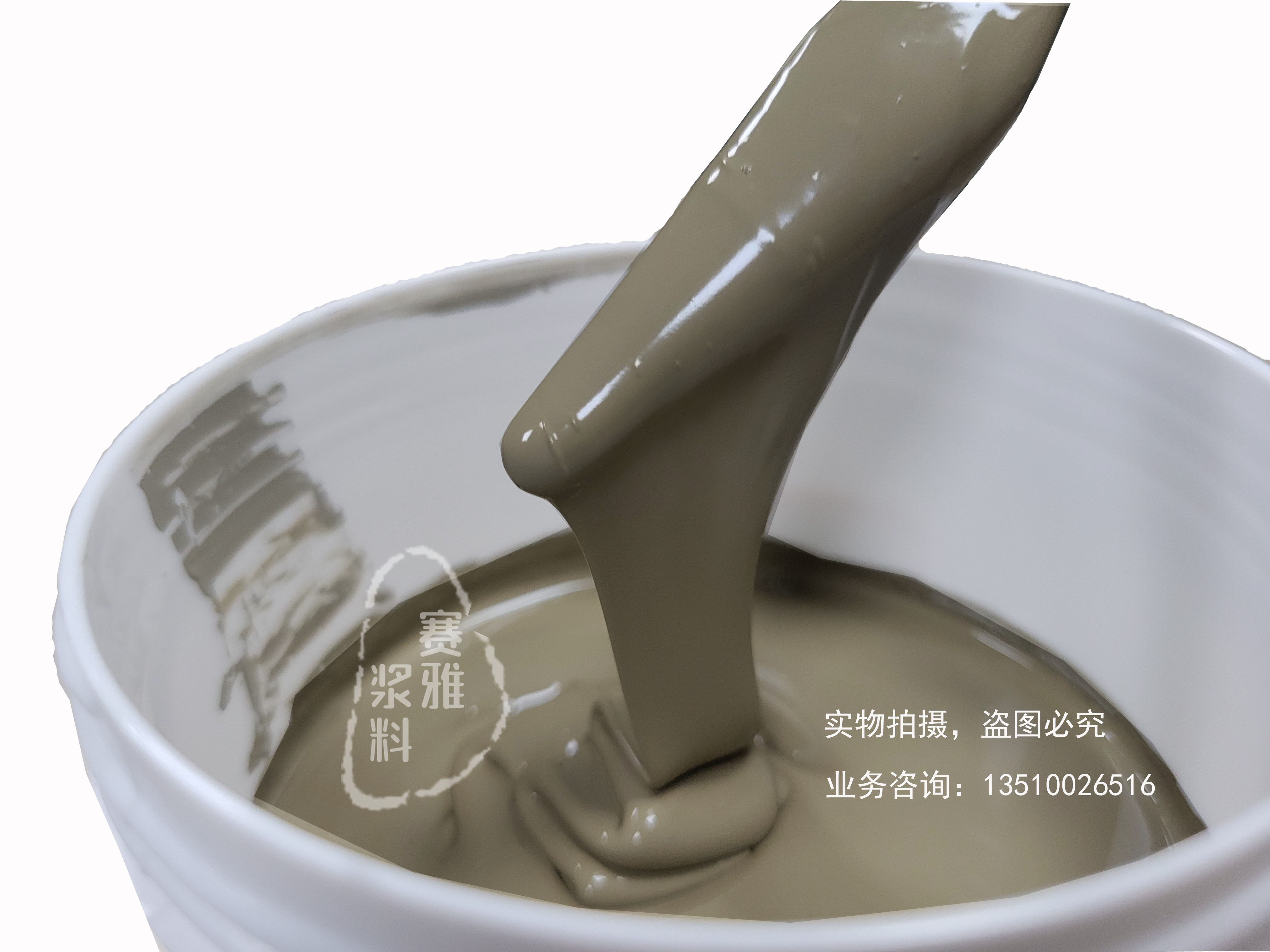
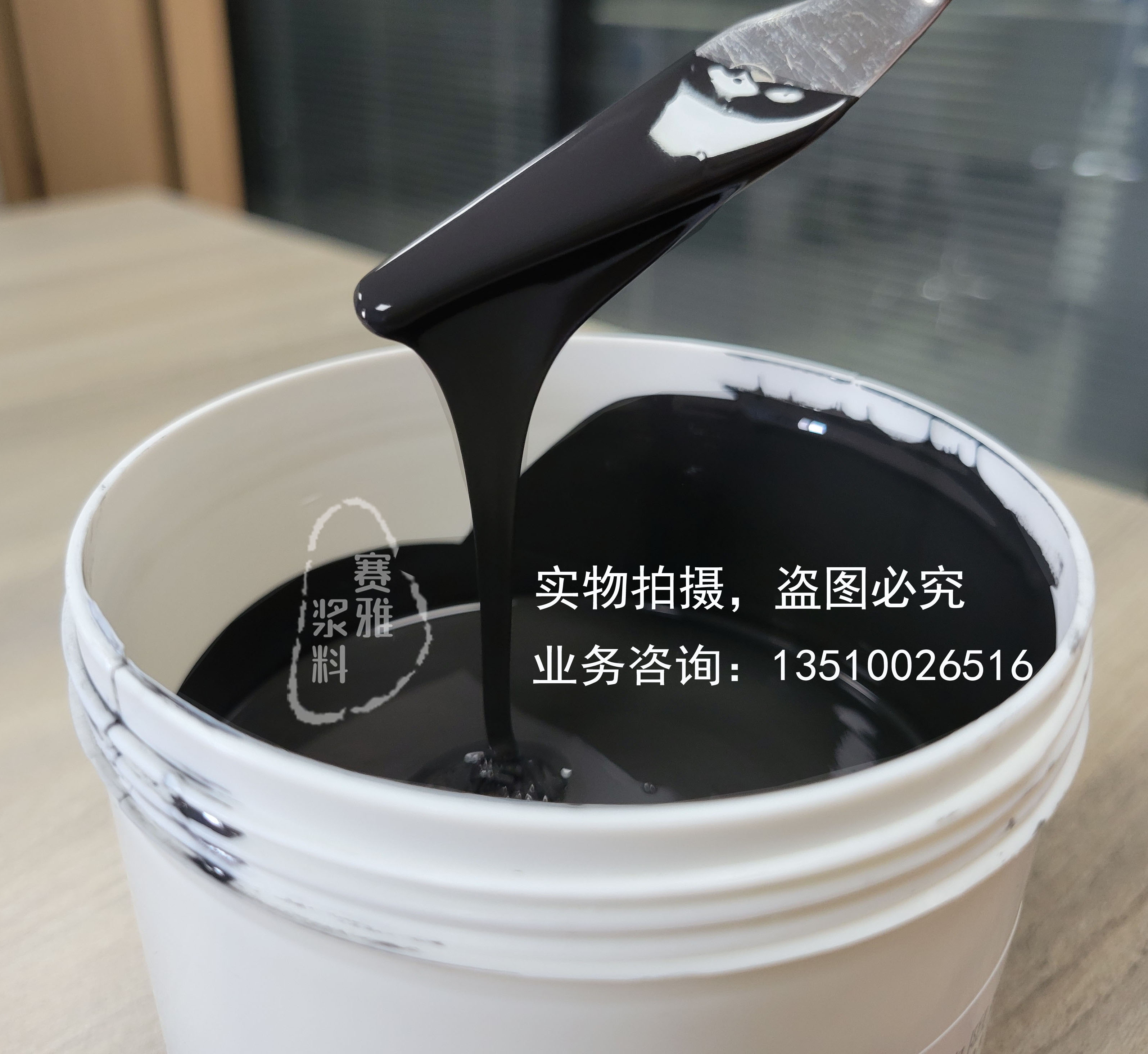
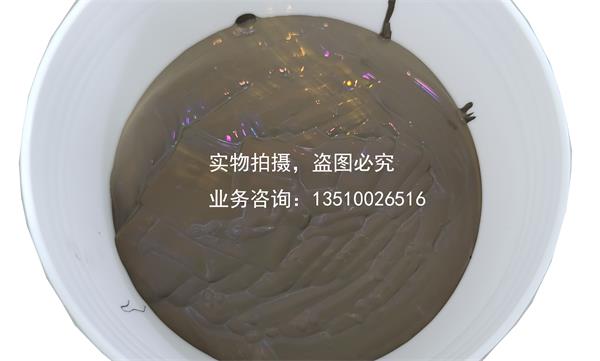
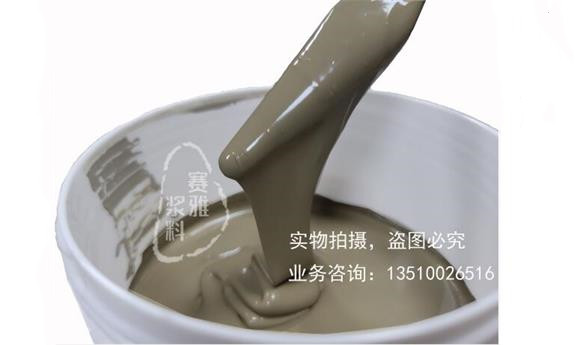
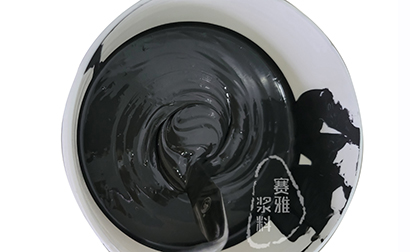
The tungsten slurry has the same shrinkage rate as the ceramic, and the sintering and bonding strength with the ceramic is excellent.
2. The thickness of the tungsten paste coating after sintering is approximately 0.0127 mm.
3. The tungsten paste can meet the requirements of processes such as printing and small hole filling.
4. The metal particles in the tungsten slurry can be controlled to be within 2 micrometers in size, and they have good dispersion properties.
5. The viscosity of the tungsten slurry can be adjusted according to the specific requirements of the customers.
6. Applicable to temperatures ranging from 1300℃ to 1700℃.
Application of resist paste
Molybdenum-manganese paste is a printable thick-film conductor paste that can be used as the surface conductor layer for aluminum nitride, silicon nitride, beryllium oxide, and aluminum oxide substrates.
The size of the metal particles in the molybdenum-manganese slurry can be controlled to be within 2 micrometers.
2. The thickness of the molybdenum-manganese slurry coating after sintering is approximately 0.0127 mm.
3. The viscosity can be adjusted according to the specific requirements of the customers.
4. Applicable to temperatures ranging from 1300℃ to 1580℃.
These two types of pastes are suitable for various specifications of alumina ceramics in China.
Resistor paste
Resistor paste is used as a material for manufacturing thick film components, and there are a wide variety of types, which greatly facilitates our selection and ensures that the use of related electronic components is more convenient and simple.