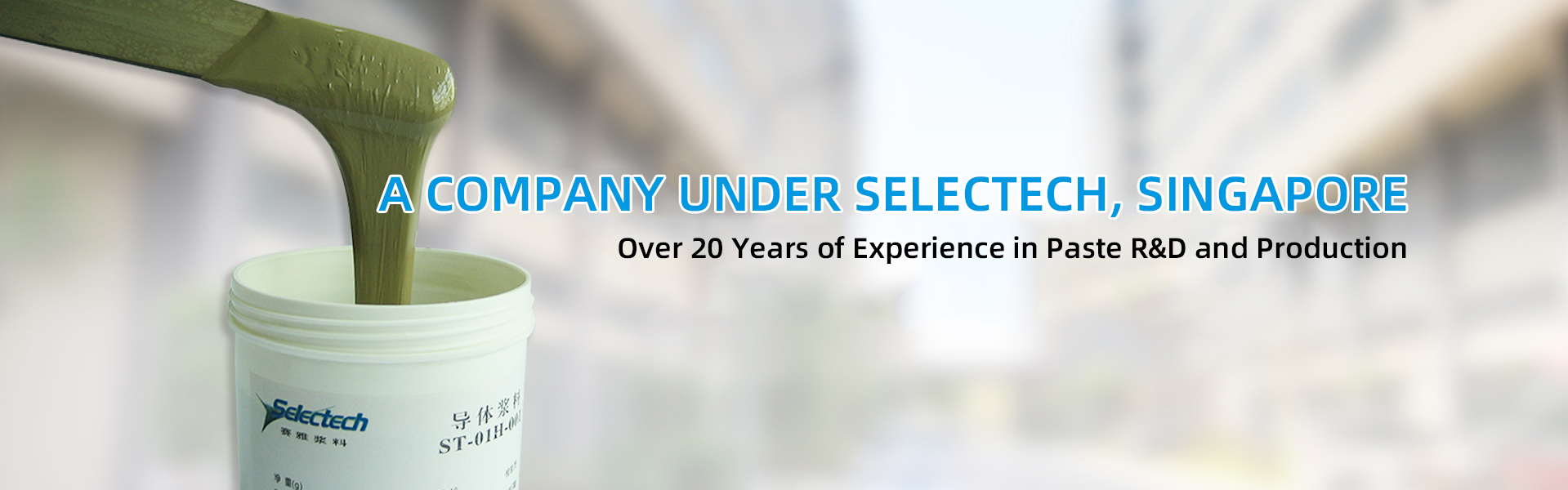
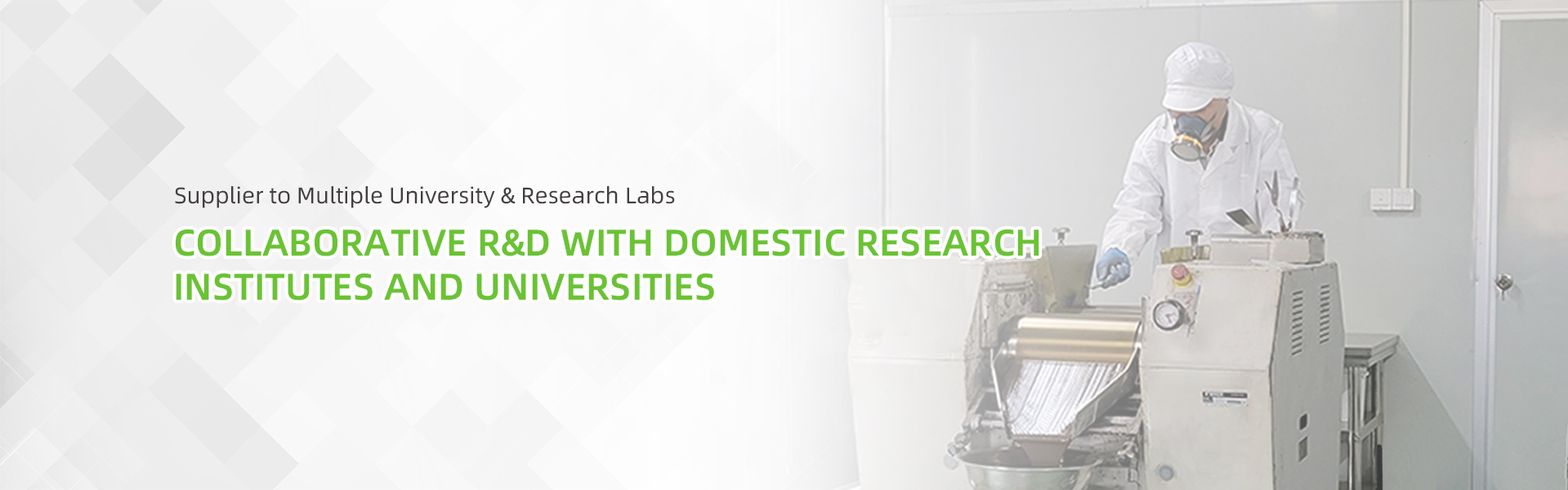
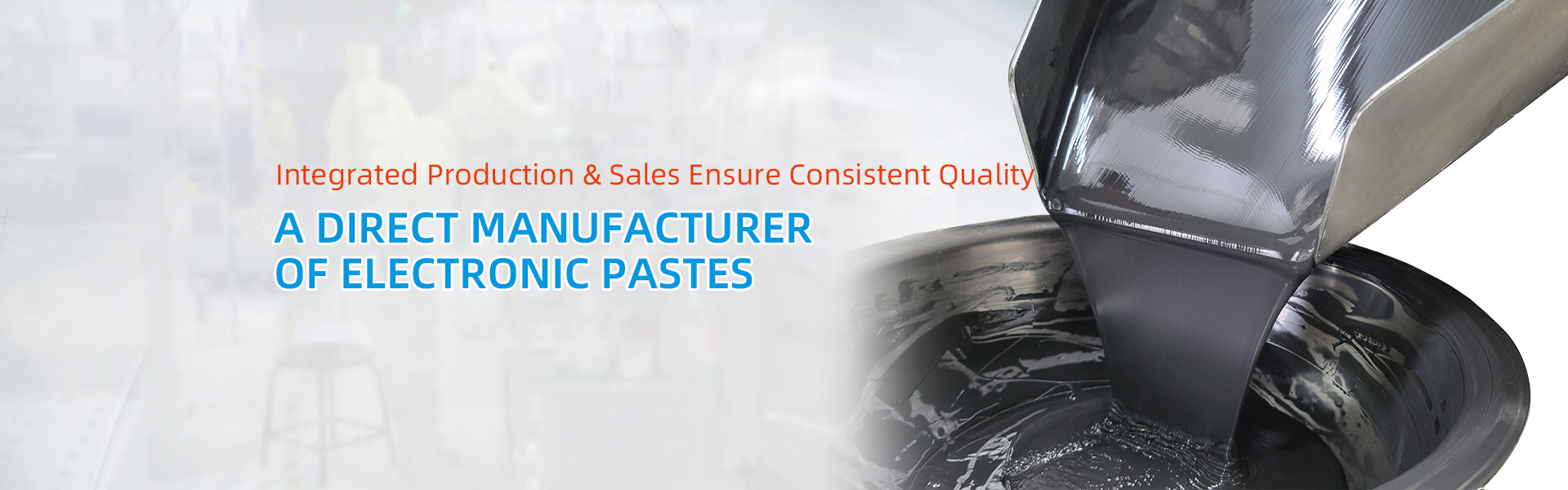
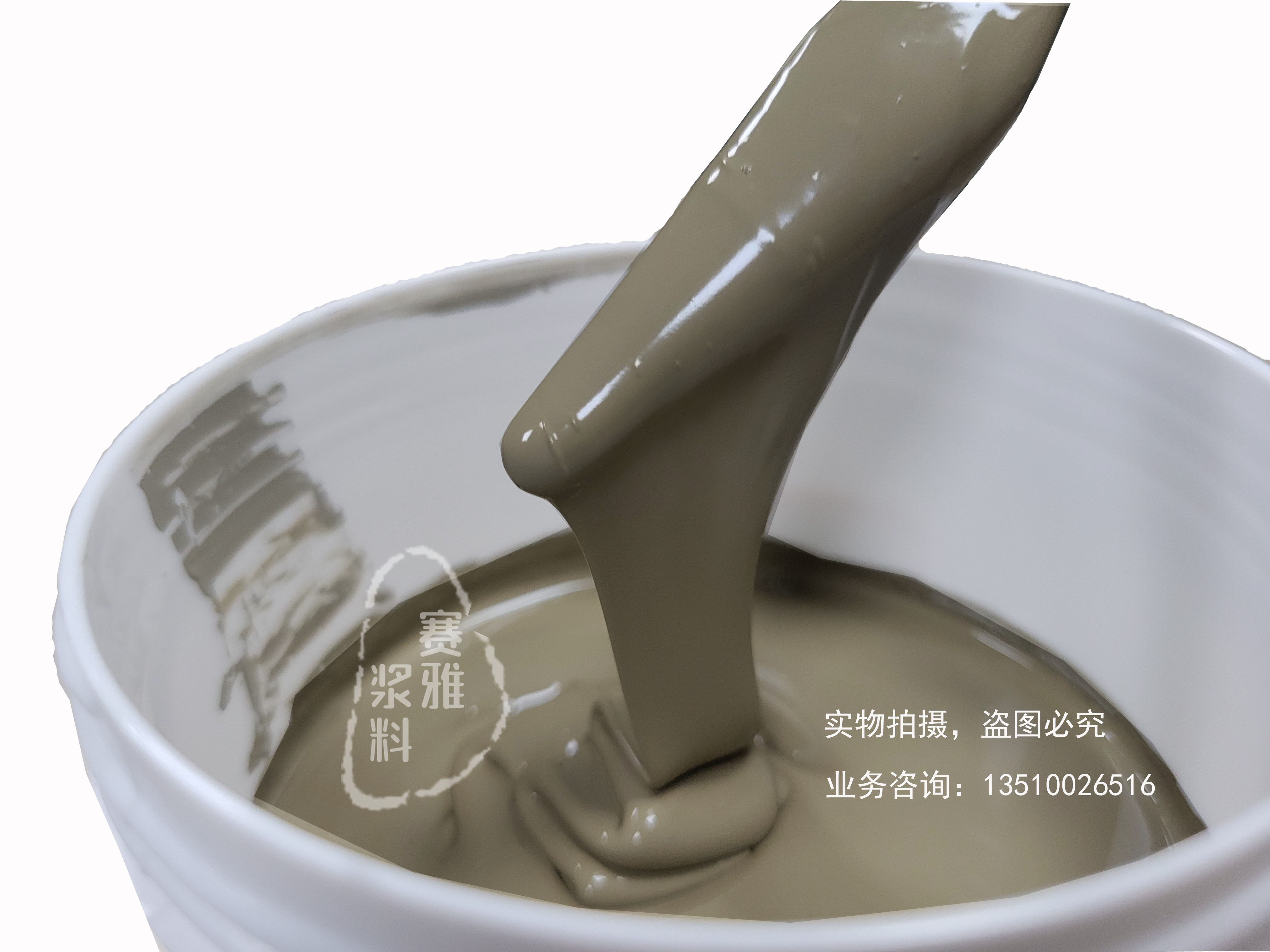
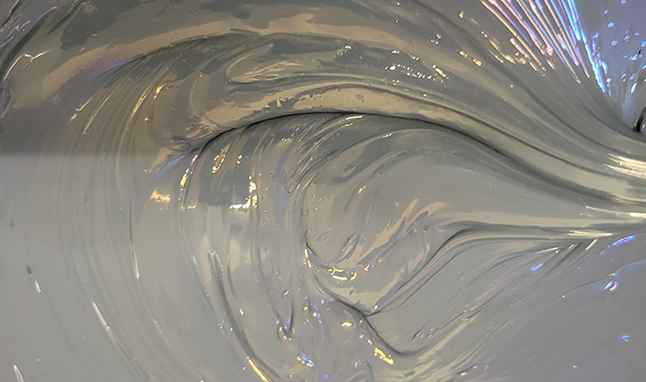
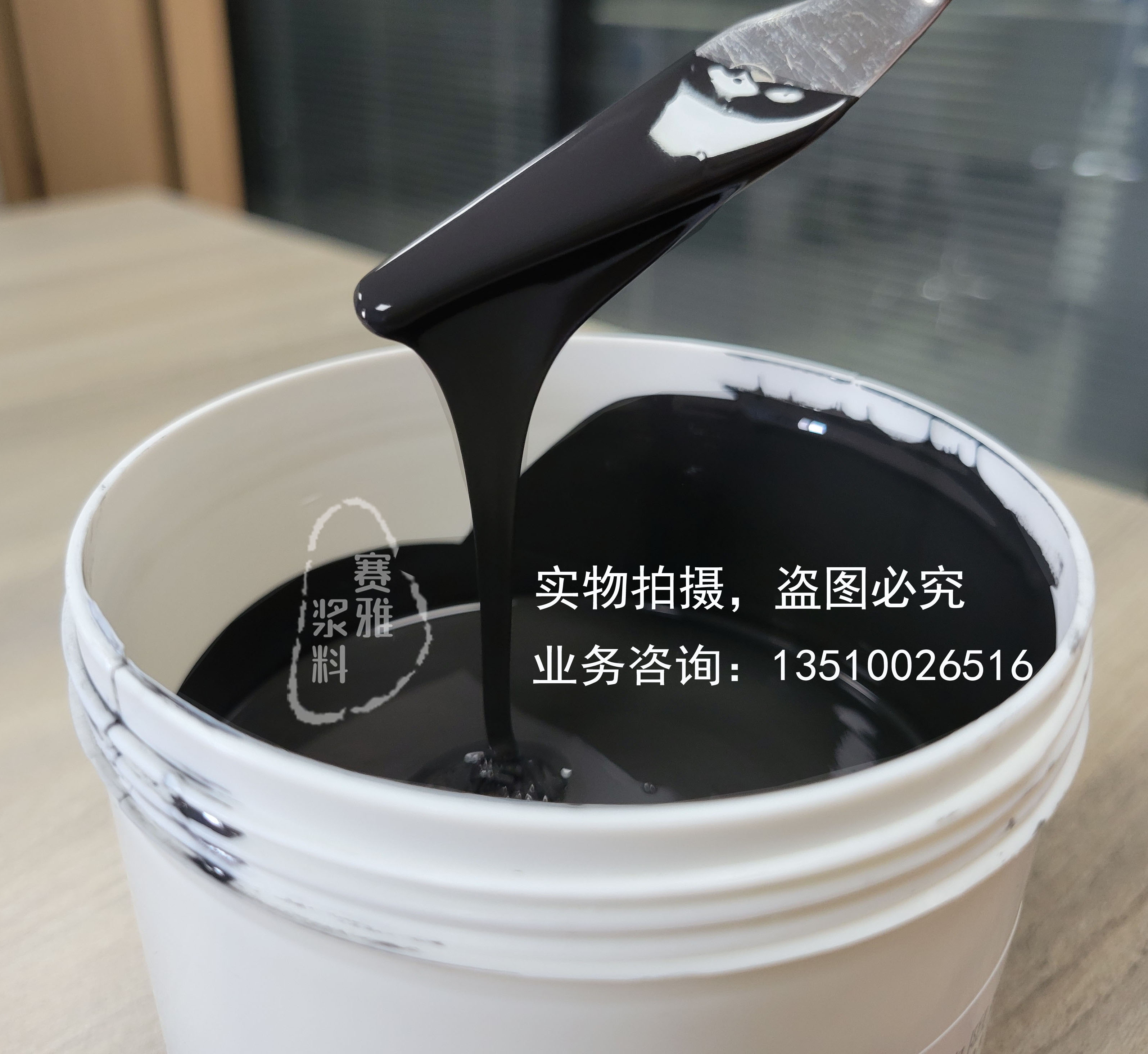
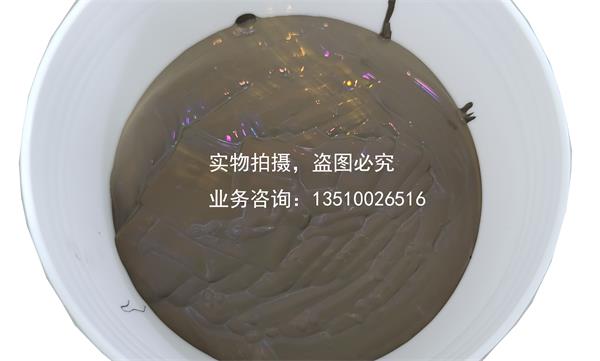
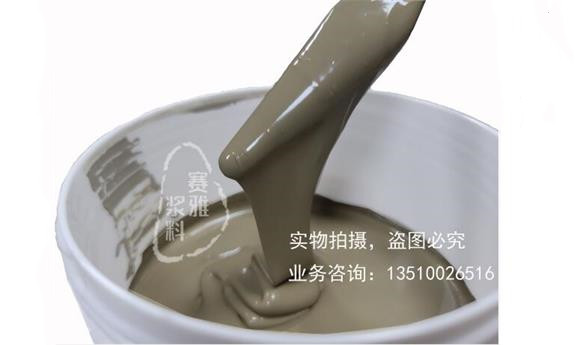
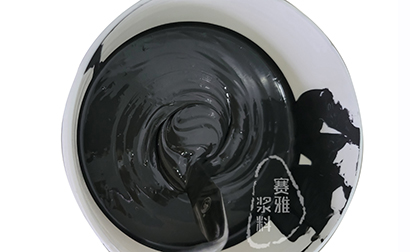
Electronic pasteIt is the basic material for manufacturing thick-film components. It is a paste-like substance (which can be imagined as toothpaste, paint, etc.) formed by uniformly mixing solid powder and organic solvent through three-roll rolling.
Since the 1960s, more than 20 companies in the United States, including ESL, Englehard, Cermalley, Ferro, EMCA, Heraeus, IBM, Leches, General Electric, etc., have developed, manufactured and sold various types of electronic pastes. In Europe, the companies that produce and sell pastes and raw materials are well-known, such as Degussa and Philips. After the 1980s, Japan gradually developed into the world's leading producer of pastes, being the only major country that can compete with the United States. Famous paste companies include Sumitomo Metal Mines, Zorong Chemicals, Tanaka Precious Metals Institute, Kuroda Manufacturing, Sun Electric, Hitachi Chemical, Toshiba Chemical, Fukuda Metal Powder, Mitsubishi Metal, NEC, TDK, etc. China entered the field of electronic pastes relatively late, mainly in the late 1980s, represented by Kunming Precious Metals and Factory 4310. The application of electronic pastes in China mainly focuses on conductor pastes (silver paste, aluminum silver paste), while the application of other pastes is not yet mature. This is mainly due to the pursuit of low cost in China.
Electroplating pastes, as a new type of material, are far superior to traditional circuit components (such as resistors, electric heating tubes, etc.), and possess characteristics such as environmental friendliness, high efficiency and energy conservation. Their cost is also close to that of traditional materials, and undoubtedly will be the main application direction in the future. Currently, the demand for new high-performance electronic pastes in China is increasing. Therefore, in addition to drawing on the experience of the development of electronic pastes in the international community, new electronic pastes such as tungsten paste and molybdenum-manganese paste have also entered the domestic market, and some domestic manufacturers are capable of producing these two high-performance electronic pastes. Tungsten paste is widely used in high-temperature co-sintering and ceramic metallization. For example: MCH ceramic heating sheets, SMD ceramic bases, ceramic packaging, etc.