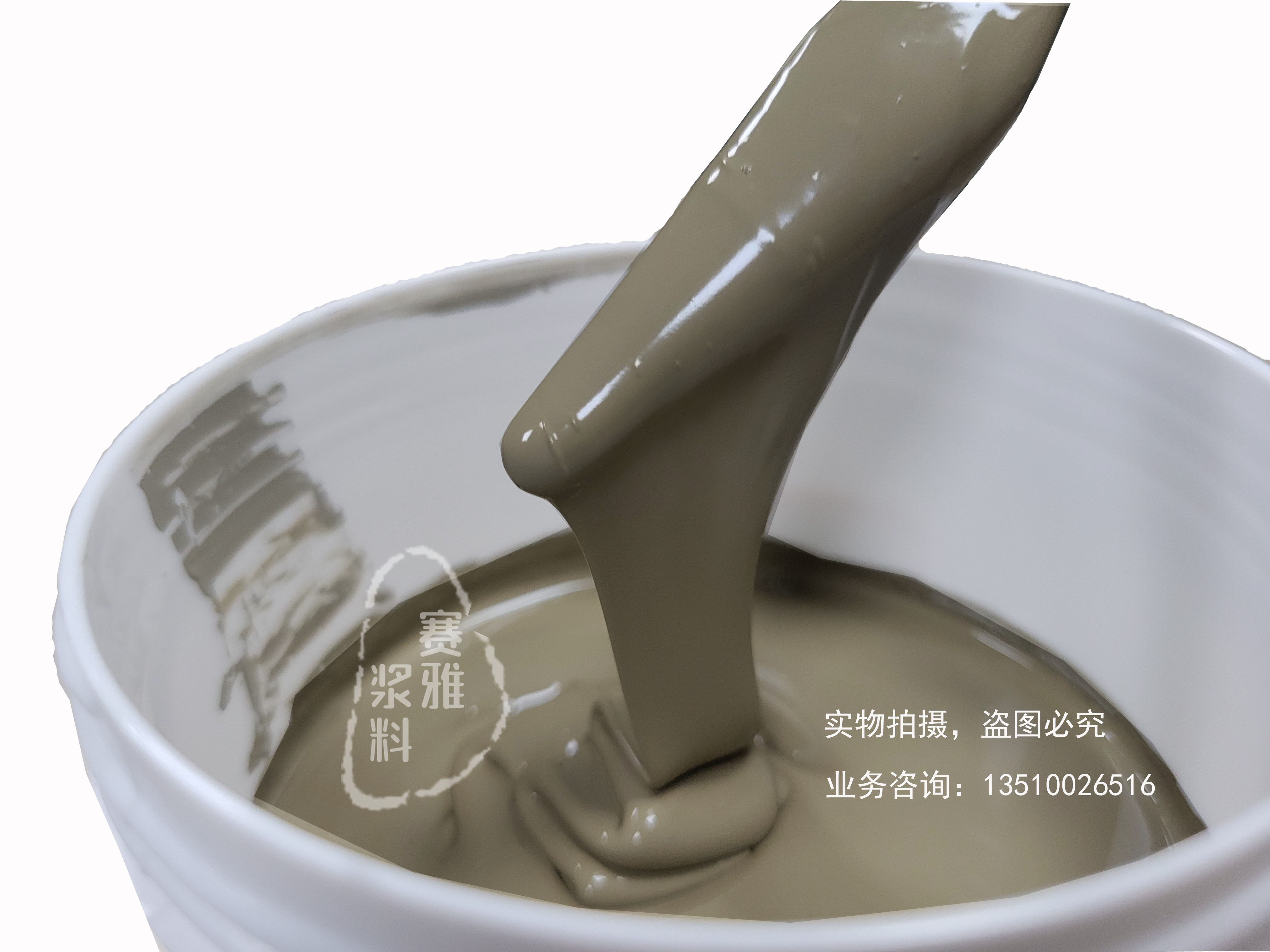
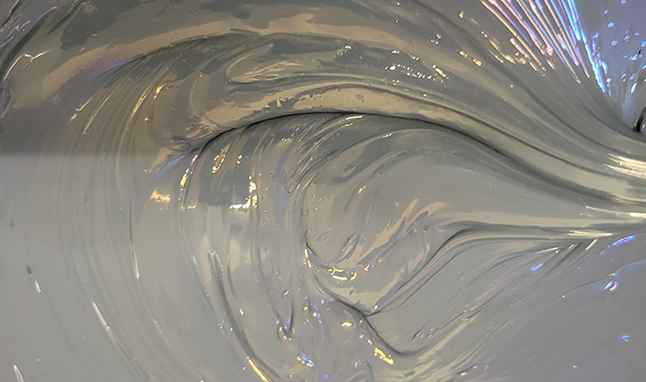
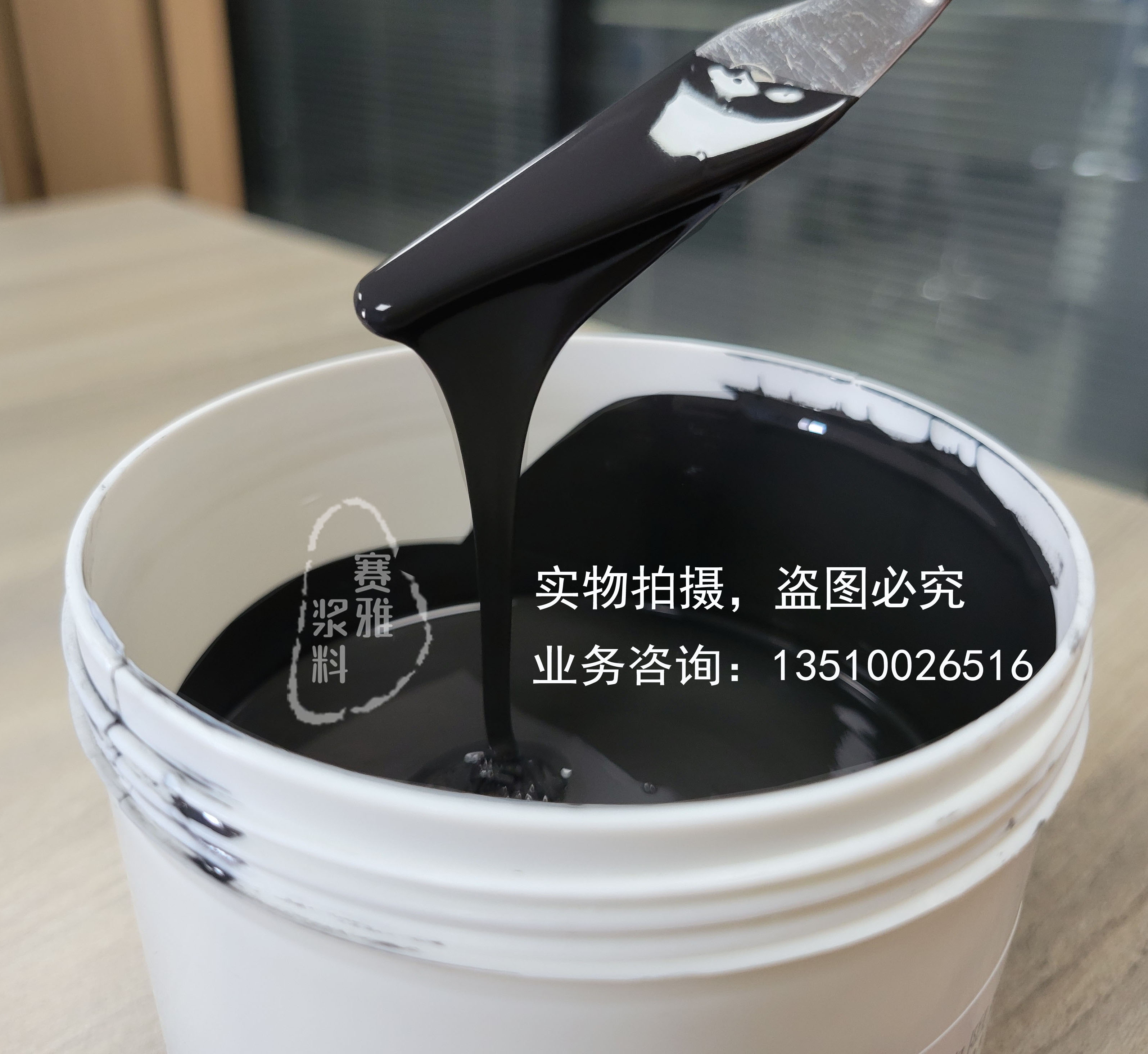
Conductive adhesive It is a very promising alternative application technology for the battery interconnection welding process in current photovoltaic module products. Conductive adhesive is an environmentally friendly solution and offers advantages that traditional welding interconnection technology does not have, such as lower processing temperature, stronger stress characteristics, and the avoidance of the use of toxic substance lead. When it is suggested to apply this in important processes - for example, converting the welding process of battery string production to bonding technology - an in-depth analysis of material characteristics - such as material compatibility and its long-term reliability in interconnection within photovoltaic modules - is required.
Therefore, we conducted studies on the material properties, quality and reliability: (1) insulated bonding joints using conductive adhesives, and; (2) the interconnection characteristics between batteries connected by conductive adhesives within the test components. In addition, we developed new conductive adhesive components with higher polymer connection flexibility to enhance the material's ability to withstand thermal stress loads and delamination. To better understand the interactions and influencing factors of the related materials, we formulated a comprehensive testing plan. Using thermogravimetric analysis (TGA) and thermal desorption/gas chromatography-mass spectrometry (TD/GC-MS), we characterized the release and migration behavior of pure conductive adhesives in volatile low-molecular compounds. For this purpose, we investigated single battery test components with different bonding wires, packages and backplane materials. These test components were arranged on accelerated aging tests with different stress factors, including high temperature and high humidity (DH), radiation and thermal cycling (TC).
From the test results, it can be observed that even for the conductive adhesive wire screen printing and component processing carried out manually, the electrical characteristics of the components still show good repeatability. All types of wire bonds (Ag-coated, bare Cu, and SnAgCu-coated) can be compatible with the current photovoltaic component lamination process without any problems. During the accelerated aging test, the conductive adhesive connection of a single cell and a sample of 6 cells showed a slight power loss of 1% and 4% respectively. Therefore Conductive adhesive There will be a welding process with potential to replace battery strings. We have found that the exhaust phenomenon of molecular compounds is relatively mild, and no incompatibility issues have been observed with any type of welding tape or packaging material.