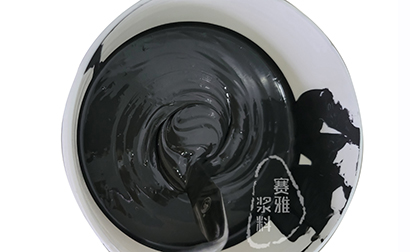
As is well known,Silver paste It can handle wastewater pollution. Then, how is the silver award made and what process is used for wastewater treatment? Let me introduce it to you.
I. Preparation of Silver Paste
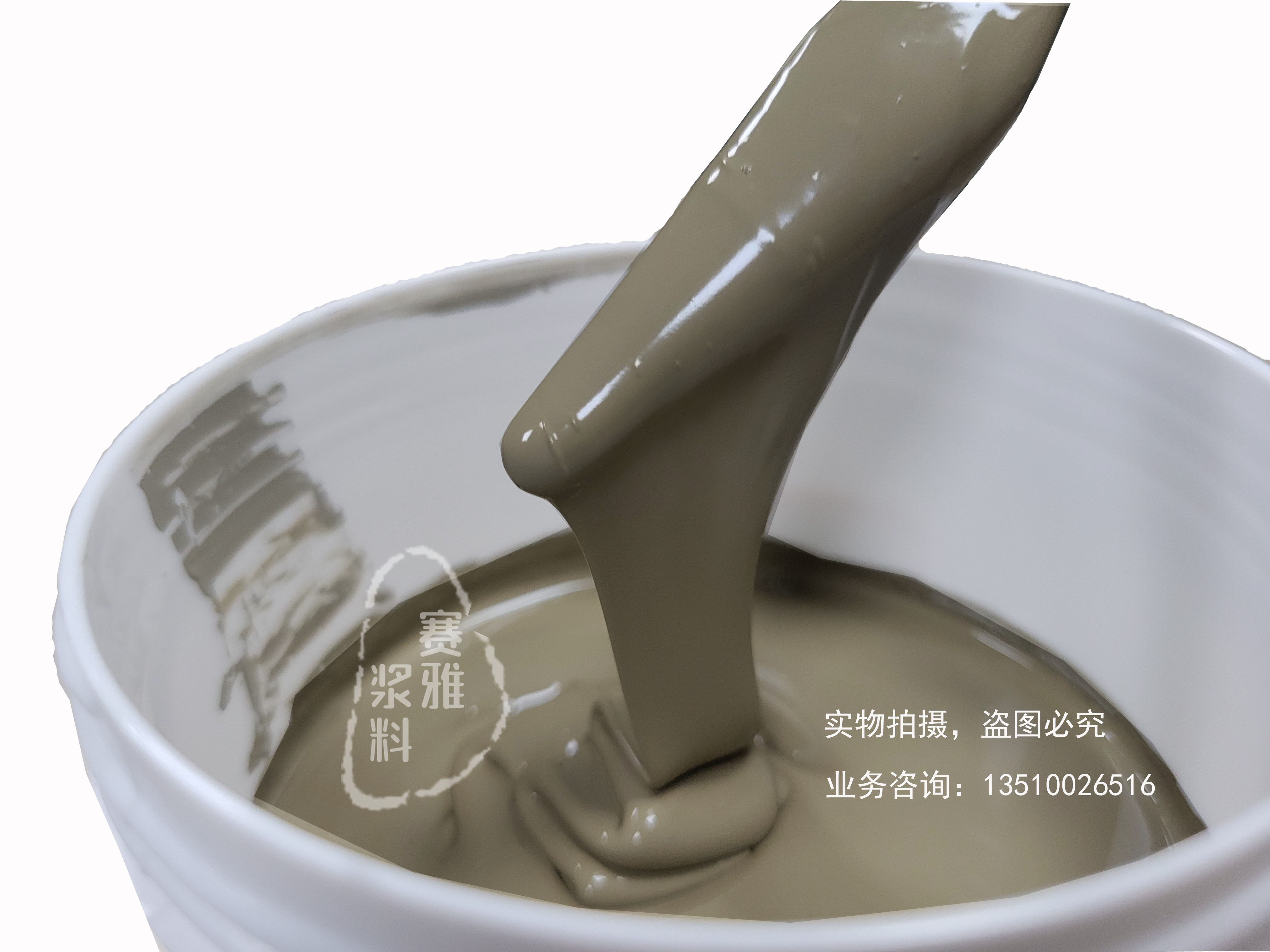
The positive silver paste is mainly made of a mixture of metal materials (silver powder), organic materials, and inorganic materials. First, the silver powder, glass powder, and silicone resin are placed in a mixer in proportion, then mixed and stirred evenly. Then the mixed powder is ground and stirred again, and then sent to the warehouse for testing. The technical barriers of the positive silver paste process are very high, so initially, it was mainly imported. To reduce the cost of photovoltaic, most enterprises also began to research and produce domestic positive silver paste.
II. Source and Pollutants of Silver Paste Wastewater
Before the production process, the equipment will undergo cleaning to ensure the completeness of the material ratio, so as to prevent the raw materials or reaction materials remaining on the equipment from completely disrupting the original ratio. Therefore, cleaning the equipment will generate a large amount of wastewater, which is the main wastewater of the pre-silver paste. There is also a small portion of daily cleaning wastewater for floors and domestic wastewater, which are combined to form the positive silver paste wastewater. These wastewater contains metal substances, organic substances, and inorganic substances. Therefore, they cannot be directly discharged into water bodies, thus causing damage to the water bodies and environmental damage, which is contrary to the environmental protection theory.
III. Silver Paste Wastewater Treatment Process
In the physical method, the grid is a metal frame made of a series of parallel metal strips, which is placed diagonally on the channel through which the wastewater flows, or at the inlet of the pumping station's collecting pool, to intercept large solid pollutants that are suspended or floating. The original powdered materials (such as silver powder, glass powder, etc.) can be recycled and reused to increase the material utilization rate and reduce costs.
2. Ion exchange method is a water treatment technique that utilizes the freely mobile ions carried by the exchanger and the diffusion of ions in the treated solution to separate pollutants from the wastewater. Silver is processed in water to recover the silver.
3. Biofilm Method: The biofilm method refers to the process where wastewater flows through a biofilm that grows on the surface of a fixed substrate, utilizing biological oxidation and interfacial substance exchange to degrade the organic matter in the wastewater.
The above wastewater treatment process can be used for treating the pre-silver paste. The specific application of this process needs to be adjusted according to the actual wastewater conditions and the situation of the enterprise.
Saya A high-tech enterprise specializing in the research and production of electronic pastes. It mainly develops and produces various electronic pastes (silver paste, conductive silver paste, resistor paste, encapsulation paste) series products, precious metal information materials, and precious metal functional materials. The products are mainly applied in various thick film circuits, various components, electric heating type civilian and industrial electrical appliances and other fields. Since its establishment, the factory has adhered to the requirements of strict management, high standards and high quality, providing services to various enterprises, and has been awarded the "National High-tech Enterprise Title". It also closely cooperates with several domestic research institutes to jointly develop new materials in the field. It has received a large number of customer supports and has a very good reputation.