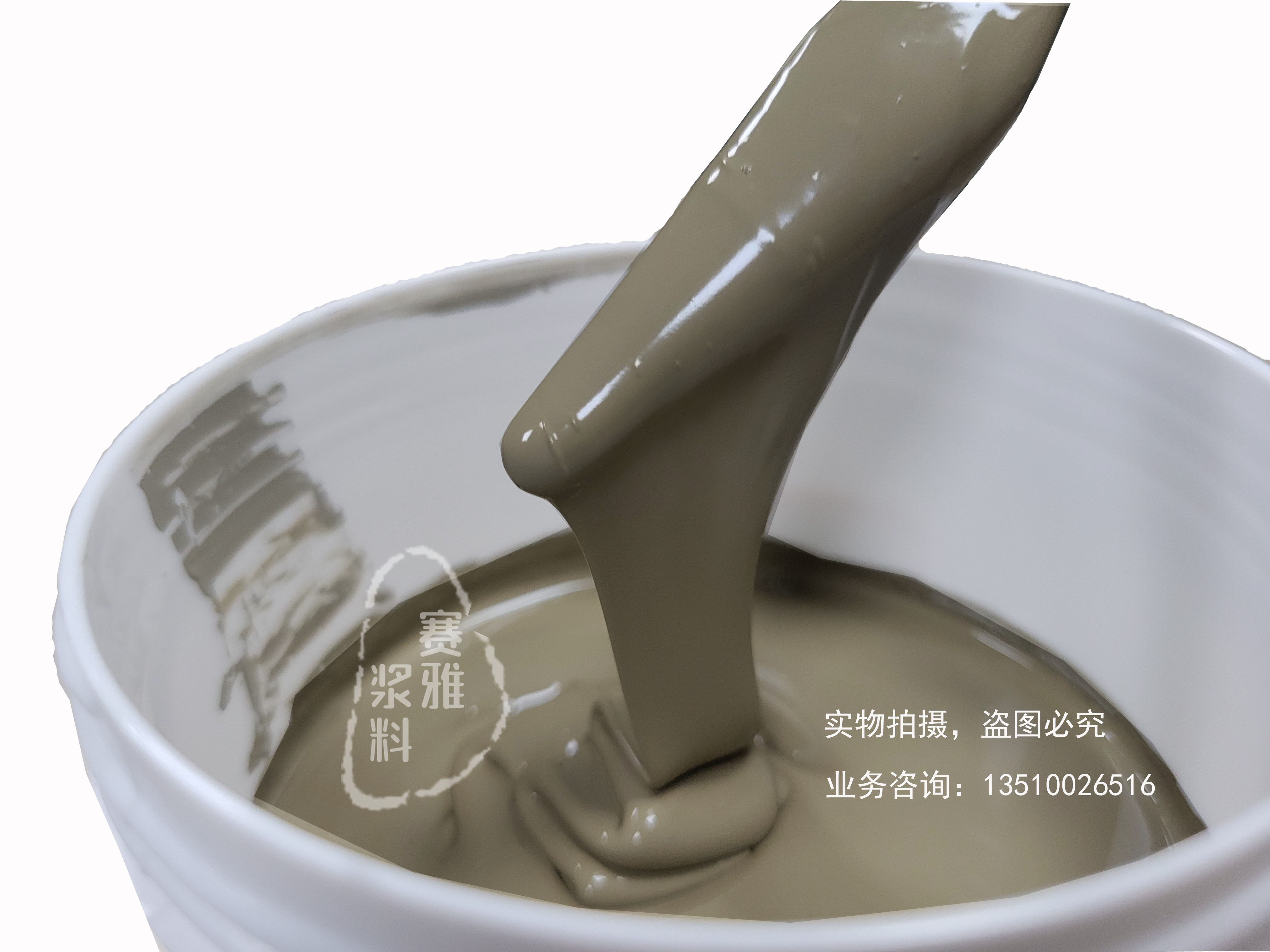
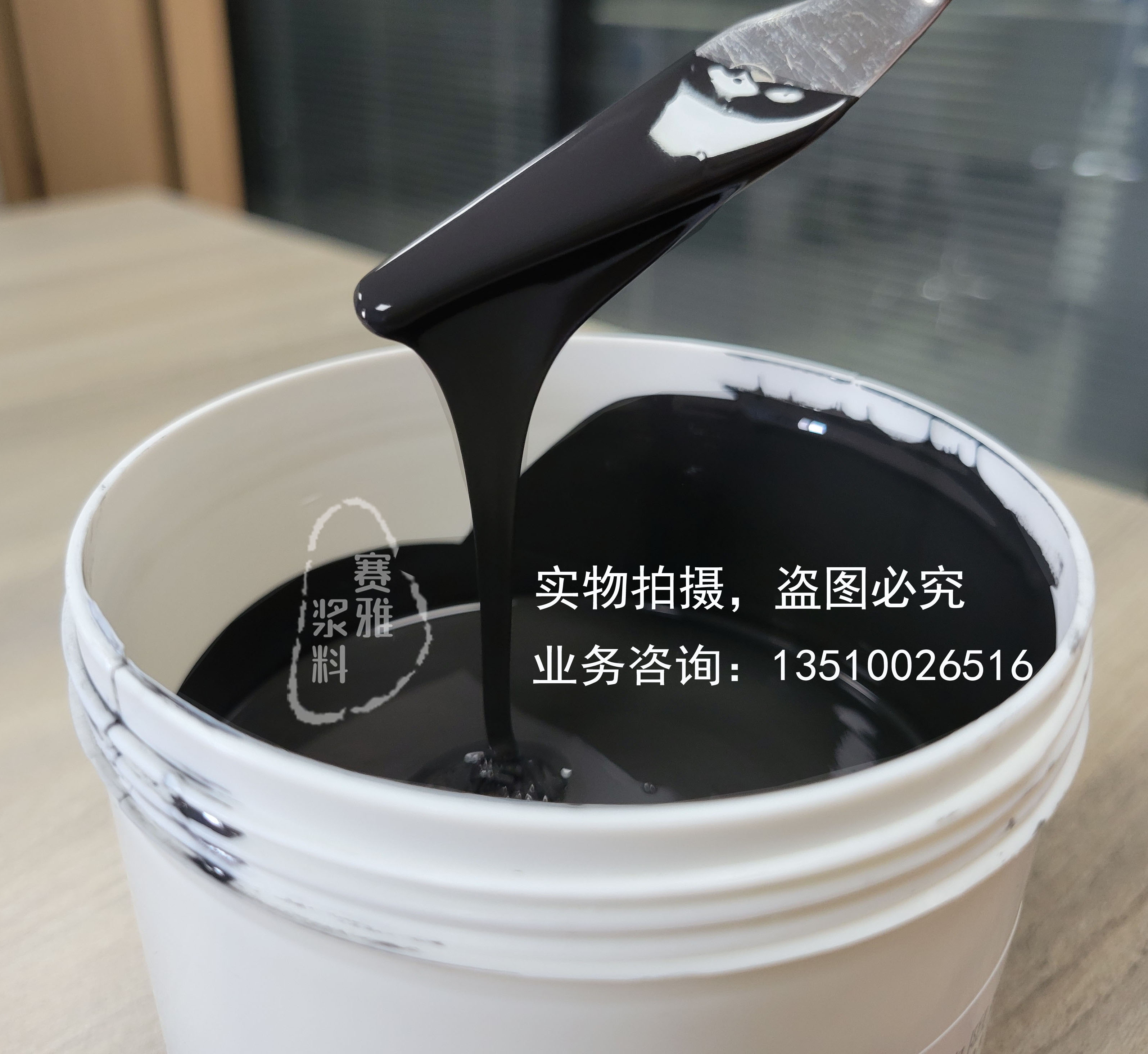
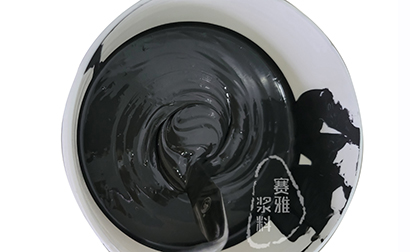
The stability of resist paste is a comprehensive performance indicator, which encompasses multiple aspects such as chemical stability, thermal stability, and resistance value stability. The following is a detailed analysis of the stability of resist paste:
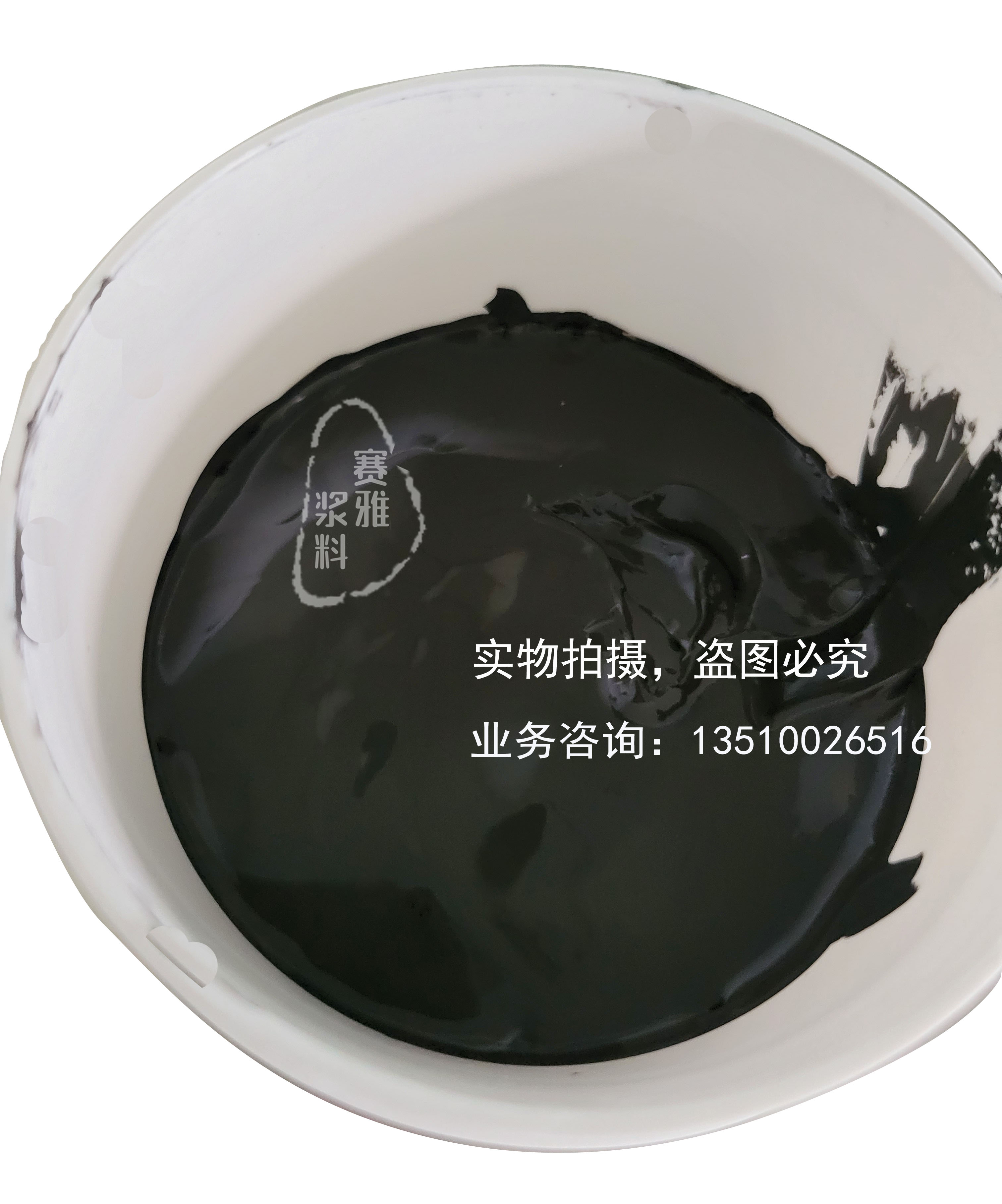
1. Chemical Stability
During the preparation and usage of resist pastes, they need to be able to resist the erosion of various chemical substances, such as acids, bases, and salts. High-quality resist pastes usually have excellent chemical stability and can maintain the stability of their physical and electrical properties in harsh chemical environments.
II. Thermal Stability
Thermal stability is an important component of the stability of resistive pastes. In high-temperature environments, resistive pastes need to maintain the stability of parameters such as their resistance value and resistance temperature coefficient. Some specific resistive pastes, such as ruthenium-based resistive pastes, have excellent thermal stability and can operate for a long time at high temperatures without experiencing performance degradation.
III. Resistance Value Stability
The resistance value stability of resist paste refers to its ability to maintain a constant resistance value during long-term use or storage. This requires the resist paste to have a stable resistivity and good moisture resistance to prevent fluctuations in the resistance value due to environmental changes. By adding appropriate additives and modifiers, the resistance value stability of the resist paste can be further improved.
IV. Other Stability Factors
In addition to the above three aspects, the stability of resist paste is also influenced by other factors, such as the viscosity, fluidity, and sintering performance of the paste. Changes in these factors can all affect the stability of the resist paste during its preparation and usage.
V. Methods for Improving the Stability of Resist Paste
- Select the appropriate raw materials:Select high-quality raw materials, such as precious metal powders, glass powders and additives, to ensure the stability of the resistor paste.
- Optimize the formula:By adjusting the proportions and types of components in the formula, the stability and performance of the resist paste can be improved.
- Improve the preparation process:By adopting advanced manufacturing processes and equipment, such as precise mixing, grinding and sintering techniques, the uniformity and stability of the resistor paste can be enhanced.
- Strengthen quality control:Strict quality control is carried out during the preparation and application of the resist paste to ensure its stability and consistent performance.
六、The stability requirements of the application field
Resistor paste has extensive applications in the electronics industry, such as electronic circuit boards, transistors, sensors and displays, etc. Different application fields have different requirements for the stability of resistor paste. For example, in the field of flexible electronics, resistor paste needs to have better flexibility and resistance to bending; in the aerospace field, resistor paste needs to have higher resistance to high temperatures and radiation.
In conclusion, the stability of resist paste is a comprehensive performance indicator that involves multiple aspects. By selecting appropriate raw materials, optimizing the formula, improving the preparation process, and strengthening quality control, the stability of resist paste can be further enhanced to meet the requirements of different application fields.