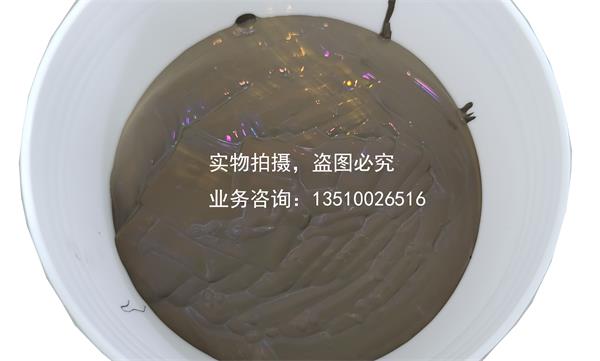
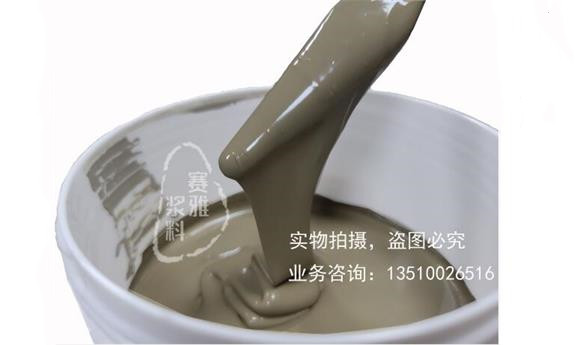
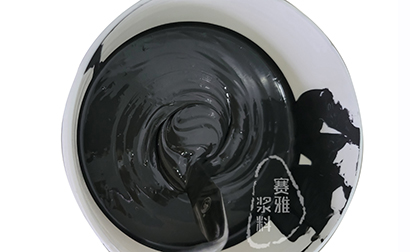
Platinum paste, especially the one produced through high-temperature sintering, exhibits outstanding resistance to high temperatures. The following is a detailed explanation of its high-temperature resistance properties:
1. High Temperature Stability
High-temperature sintered platinum paste can maintain its physical and chemical properties' stability under extreme temperatures. This stability ensures that the platinum paste retains its original functions and performance even in high-temperature environments. For instance, in automotive exhaust sensors, the high-temperature sintered platinum paste can effectively monitor harmful substances in the exhaust gas at high temperatures, maintaining the continuity of catalytic effects.
II. High Temperature Resistance Range
High-temperature sintered platinum paste can typically be sintered within the temperature range of 850°C to 1200°C, and maintain its performance stability within this temperature range. Some specific types of platinum paste, such as the 55H-1803 type, can even withstand temperatures of approximately 1100°C. This high-temperature resistance property enables high-temperature sintered platinum paste to have broad application prospects in environments where high temperatures are required.
III. Conductivity at High Temperatures
Platinum is a highly conductive precious metal that maintains excellent conductivity even at high temperatures. The characteristic of high-temperature sintered platinum paste enables it to be an ideal choice for manufacturing electrodes and other applications requiring conductive components. The excellent conductivity ensures that current can be effectively transmitted at high temperatures, thereby enhancing the efficiency and performance of the equipment.
IV. Adaptability at High Temperatures
The high-temperature sintered platinum paste can adapt to various sintering conditions, including different sintering temperatures and times. This adaptability enables its use in a wide range of materials and structures, meeting the requirements of different applications. Whether it is a simple resistor or a complex circuit structure, the high-temperature sintered platinum paste can handle it, providing extremely high flexibility and customizability.
V. Durability at High Temperatures
Due to its excellent corrosion resistance and oxidation resistance, the high-temperature sintered platinum paste can maintain its physical and electrical properties stably at high temperatures. This durability reduces the maintenance costs and replacement frequency of the equipment, which is particularly important for devices that need to operate stably for a long time.
In conclusion, the high-temperature sintered platinum paste exhibits outstanding high-temperature resistance, maintaining the stability of its physical and chemical properties under extreme temperatures while maintaining good conductivity and adaptability. These characteristics make the high-temperature sintered platinum paste have broad application prospects in the fields of electronics, automobiles, aerospace, and medicine.