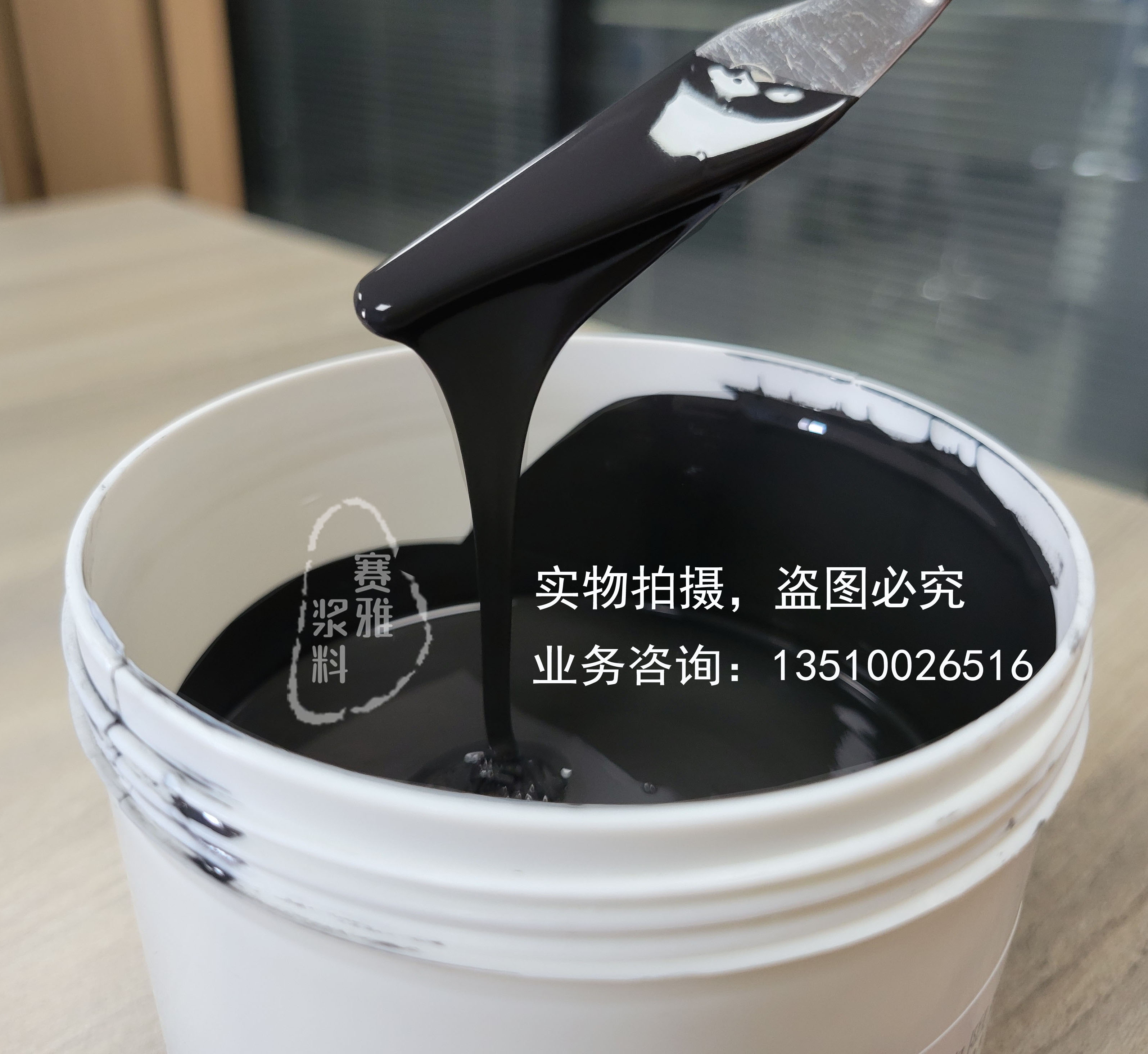
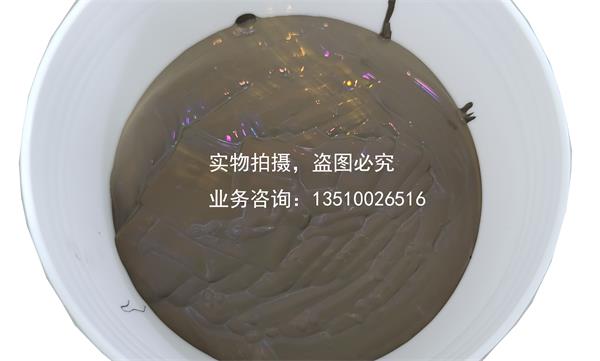
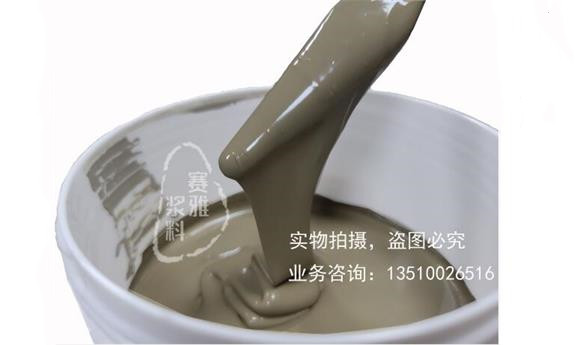
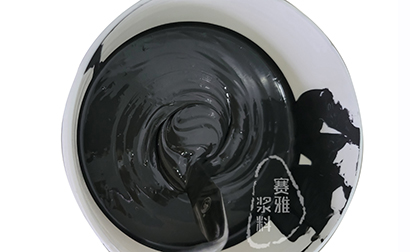
Silver-palladium paste is a material used for manufacturing conductive circuits. Its fundamental principle lies in the conductive properties of silver and palladium, as well as their interaction within the conductive paste.
I. Silver Palladium Paste Field
Silver palladium paste has extensive applications in the field of electronic packaging. Here are some examples of its applications in different fields:
Semiconductor packaging: Silver-palladium paste can be used to connect the metal leads between the semiconductor chip and the packaging substrate, enabling the transmission of electrical signals and power.
2. Welding materials: Silver-palladium paste can be used for welding electronic components, including resistors, capacitors and inductors, among others.
3. Electronic component connection: Silver-palladium paste can be used to connect electronic components on the circuit board, such as resistors, capacitors, relays, etc., to provide a reliable electrical connection.
4. Radio Frequency Packaging: Silver-palladium paste can be used in radio frequency (Radio Frequency) packaging, such as connecting radio frequency antennas and radio frequency devices, to achieve wireless communication and signal transmission.
5. High-power electronic components: Silver-palladium paste can be used to connect high-power electronic components, such as power modules and power semiconductor devices, to meet the requirements of high current and high-temperature environments.
II. Composition of Silver-Palladium Paste:
1. Silver particles: Silver particles are the main component of silver-palladium conductive paste, providing the primary conductive path. Silver particles typically exhibit high conductivity and excellent electrical properties.
2. Palladium particles: Palladium particles are an auxiliary component in silver-palladium conductive paste, used to enhance and stabilize the conductivity. The palladium particles interact with the silver particles, forming an alloy or solid solution structure, which improves the conductivity and enhances the stability of the material.
3. Solvent or matrix: The solvent or matrix in the silver-palladium conductive paste is used to suspend and disperse the silver particles and palladium particles, and to provide viscosity regulation and flow control. Common solvents or matrices include organic solvents (such as acetone, toluene, ethanol, etc.) or polymer matrices (such as polyester, polyimide, etc.).
4. Dispersant: The dispersant is a surfactant added to the silver-palladium conductive paste, which is used to stabilize the dispersion state of the particles and prevent them from settling and aggregating. The selection of the dispersant usually depends on the characteristics of the particles, the solvent or the matrix.
5. Additives: The silver-palladium conductive paste may also contain some additives to adjust the viscosity, rheological properties, and drying speed of the paste. These additives can be thickeners, diluents, surface modifiers, etc.
III. Performance Indicators of Silver-Palladium Paste:
Silver palladium paste is a commonly used electronic packaging material, featuring excellent conductivity and reliability. Here are some possible performance indicators of silver palladium paste:
1. Conductive properties: Silver palladium paste typically exhibits excellent conductive properties, which can be used to connect electronic components and conduct electric current.
2. Thermal conductivity: Silver-palladium paste typically exhibits excellent thermal conductivity, which can effectively transfer the generated heat and help maintain the stable operating temperature of electronic components.
3. Bonding strength: The silver-palladium paste usually needs to have excellent bonding strength at the contact points with the substrate or other materials to ensure the reliability and durability of the connection.
4. Durability: Silver palladium paste usually needs to have excellent durability to withstand the effects of environmental factors (such as humidity, temperature changes, etc.) and mechanical stress.
IV. Usage Instructions
During the application process, the silver-palladium paste is usually applied to the target surface by methods such as coating, spraying, or printing. Through heating and pressure treatments, the silver-palladium paste can form a stable connection with the substrate or other materials, and provide the required electrical conductivity path.
It should be noted that the specific process and formulation for preparing silver-palladium paste may vary depending on the manufacturer, product requirements, and application field. Therefore, for a particular silver-palladium paste, it is recommended to refer to the technical materials and guidance provided by the relevant manufacturer.