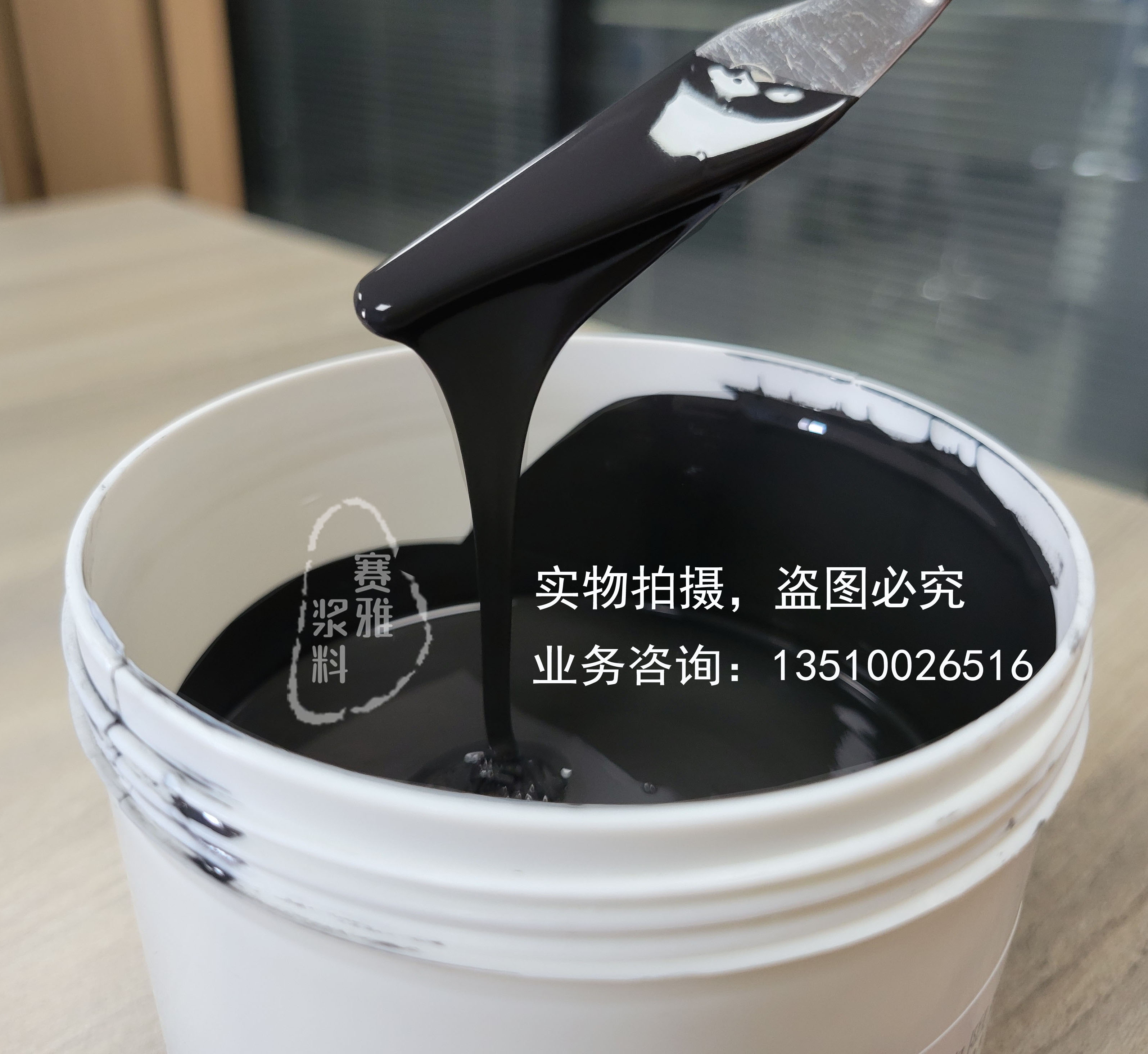
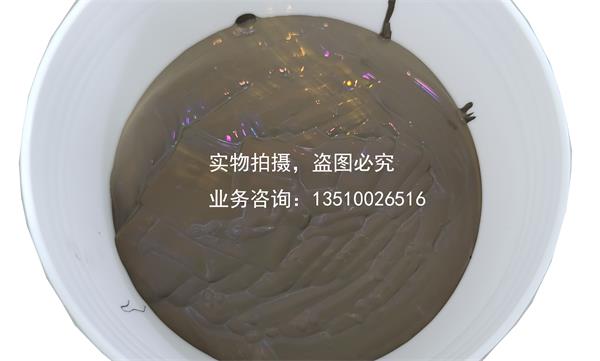
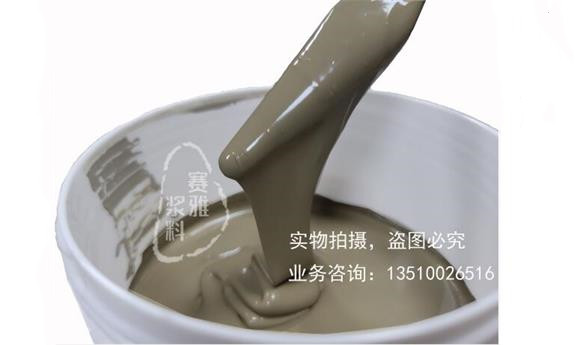
Electronic paste is one of the basic materials for electronic components. It serves as the foundation for manufacturing electronic components and thick film hybrid integrated circuits, and is the guarantee for obtaining high-performance and highly reliable new electronic components. Therefore, ensuring the quality of electronic paste is a key issue that both paste manufacturers and component manufacturers are concerned about.
1. Technical Support
In recent years, due to the continuous rise in the prices of various precious metals, the cost of electronic pastes has been constantly increasing. On the contrary, as the prices of various components and complete machines have declined, the price of pastes has had to be lowered. Moreover, after China's accession to the WTO, the international competition in the pastes industry has become increasingly fierce. To better adapt to this market development demand, it has become increasingly important to consolidate existing users and attract new ones by improving the technical content of the products.
With the continuous development of scientific progress and the increasing economic and trade activities worldwide, the competition in the electronic paste market has gradually shifted from the original price war to a technology war and a quality war. Therefore, to remain invincible in the fierce market competition, ensuring product quality is crucial; comprehensive development, innovation, improvement of product quality grade, and enhancement of the performance-price ratio of products have become the focus of competition.
Due to the rapid development of China's electronic information industry, the market for electronic pastes has great potential. Moreover, currently, some high-end paste products are still mainly imported. Therefore, vigorously promoting technological innovation, developing high-tech products with independent intellectual property rights, and striving to promote the high-tech nature of the technical structure and product structure, and comprehensively adjusting the product structure and improving the technical level of the products are undoubtedly the key points of the technical guarantee work. Secondly, with the diversification and individualization of market demands, pastes also need to develop in the direction of diversification, multi-levelness and individualization. Therefore, conducting product innovation based on the enterprise's own conditions and striving to develop characteristic products with high technology content and high added value that meet market demands becomes a key point.
The continuous emergence of new technologies, new processes and new materials has brought more and more new challenges to the research and development of electronic pastes, while also creating more new opportunities for the development and expansion of the paste market. On one hand, the continuous appearance of new technologies, new processes, new components and new electronic products has put forward new and higher technical and usage requirements for electronic pastes; on the other hand, the continuous emergence of various new electronic materials has also made the development and research of various new electronic pastes possible. Therefore, timely grasping the development trends of the electronic product market, understanding the various new requirements and expectations of components for electronic pastes, and developing and researching stable new electronic pastes is the prerequisite for enhancing enterprises' rapid response ability to the market and standing firm in the fierce market competition; scientific and advanced product technologies, mature production processes and reasonable operation methods are the foundation and prerequisite for ensuring product quality. If the product technology is not mature, the process is unstable, and the operation method is unreasonable, pursuing product quality can only be a mere empty talk.
2 Process Control
The electronic paste is composed of conductive phase, binder, organic carrier, etc. These components are all semi-finished products or intermediates formed by processing various raw materials through different production processes. To ensure the stability and batch consistency of the electronic paste, it is necessary to take the batch consistency and quality stability of the raw material intermediates as the premise; otherwise, it is impossible to guarantee the quality of the paste.
2.1 Process Control in the Production of Conductive Phase Materials
The conductive phase materials include the conductive phase in the conductor paste and the conductive phase in the resist paste. The conductive phase materials in the conductor paste mainly consist of precious metal powders such as gold, silver, palladium, platinum, and base metal powders such as copper, aluminum, zinc, as well as binary or ternary alloy powders formed by various precious metals or base metals. The conductive phase in the resist paste mainly consists of silver, palladium, ruthenate, etc.
Metal powder and alloy powder types of powder materials are ultrafine powders produced through liquid-phase chemical reactions. Ruthenate powder materials are first prepared from raw material ruthenium powder into ultrafine oxidized ruthenium powder, and then the oxidized ruthenium reacts with the corresponding salt-forming reagents in a high-temperature molten state to form ruthenate or through liquid-phase chemical reactions to form ruthenate.
The reaction conditions and effective implementation of reaction control measures in the production process of conductive phase materials directly affect the properties of various powder materials. As conductive phase materials are the key materials that provide electrical properties for various pastes, they will directly influence the quality of the paste performance.
The quality control items, control contents, inspection methods and criteria for the production process of conductive materials are shown in Table 1.
2.2 Process Control of Adhesive Phase Material Production
The bonding phase material is an inorganic glass-like material that provides a firm bond between the electronic paste and the matrix. This type of material is a class of materials with a certain network structure formed by various metal oxides through high-temperature melting.
The control items, control contents, inspection methods and criteria for quality control during the production process of the bonding phase material are shown in Table 2.
2.3 Process Control in Organic Carrier Production
The organic carrier is a viscous paste formed by the high-temperature mixture of various organic solvents, organic thickening agents, resin types, rheology modifiers, thixotropic agents and active agents of organic materials.
The control items, control contents and inspection methods, as well as the inspection basis for the quality control of the organic carrier production process are shown in Table 3.
2.4 Control of the Electronic Paste Production Process
The production process of electronic conductive paste involves combining various functional component materials to form a paste-like material with good printing properties, rheological properties, thixotropic properties, and sintering film-forming properties through processes such as batching, mixing, and roller rolling.
The quality control items, control contents, inspection methods, and inspection basis for the production process of electronic pastes are shown in Table 4.
Table 1 Quality Control in the Production Process of Conductive Phase Materials
|
Material Name
|
Control project
|
Controlling the content
|
Testing methods and judgment criteria
|
|
Conductive phase material
|
Metal powder and alloy powder types
|
Dissolve
|
Reagent types
|
Check the labels and work orders
|
|
Reagent dosage
|
Check the weighing records and work orders
|
|
Addition Order
|
Conduct on-site inspections in accordance with the process documents, operation instructions and work orders
|
|
Restore
|
Acidity
|
Test with a pH meter and carry out as per the product operation instructions.
|
|
Concentration
|
Check the quantities of solute and solvent against the process documents, operation instructions and work orders.
|
|
Reducing agent type
|
Check the labels and work orders
|
|
Reagent dosage
|
Check the weighing records and work orders
|
|
Joining time
|
Measure and execute according to the time limit and the provisions of the process documents
|
|
Stirring speed
|
Check the display of the blender's speed
|
|
Inspection of semi-finished products
|
Pore-filling density
|
Tested according to GB5162-85 method and judged according to the product standards
|
|
Average particle size
|
Test and evaluate using a centrifugal particle size analyzer, a laser particle size analyzer or a scanning electron microscope, and judge according to the product standards.
|
|
Specific surface area
|
Tested by the BET method and judged according to the product standards
|
|
Bulk density
|
Tested by the loose density meter method and judged according to the product standards
|
|
Moisture content
|
Test it in an oven at 110 ± 5℃ for 1 hour to reach a constant weight, and then judge according to the product standards.
|
|
Ruthenate compounds
|
Liquid-phase reaction
|
Ingredients
|
Material variety
|
Check the labels and work orders
|
|
Quantity
|
Check the weighing records and work orders
|
|
Synthesis
|
Acidity
|
Test with a pH meter and follow the procedures specified in the operation manual.
|
|
Concentration
|
Check the quantities of solute and solvent against the process documents, operation instructions and work orders.
|
| "Mixing speed" |
Check the display of the blender's speed |
| "Mixing time" |
Measure and execute according to the time limit and the provisions of the process documents. |
| Salting-out reagent types |
Check the labels and work orders |
| Dosage/Amount |
Check the weighing records and work orders |
| Joining Time |
Measure and execute according to the time limit and the provisions of the operation manual. |
| Joining speed |
Measure and execute according to the time limit and the provisions of the operation manual. |
| Solid-phase reaction |
Ingredients |
Material type |
Check the labels and work orders |
| Quantity |
Check the weighing records and work orders |
|
Synthesis |
Temperature |
Measure using a thermometer and follow the procedures specified in the operation manual. |
| The heating process |
Use the temperature recording instrument to record and carry out the provisions of the equipment operation procedures and product operation instructions. |
| "Heat preservation time" |
Measure and execute according to the time limit and the provisions of the operation manual. |
|
Inspection of semi-finished products |
Packing density |
Tested according to GB5162-85 method and judged according to the product standards. |
| Bulk density |
Test with a loose density meter and judge according to the product standards. |
| Average particle size |
Test with a centrifugal particle size analyzer, a laser particle size analyzer or a scanning electron microscope, and judge according to the product standards. |
| Moisture content |
Test it in an oven at 110 ± 5℃ for 1 hour until it reaches a constant weight, and then judge according to the product standards. |
| Resistance |
Tested according to Method 104 in the SJ20634-97 standard and judged according to the product standards. |
| Temperature coefficient |
Tested according to Method 201 in the SJ20634-97 standard and judged according to the product standards. |
Table 2 Quality Control in the Production Process of Bonding Phase Materials
| Material Name |
Project Control |
Control of content |
Detection methods and judgment criteria |
|
Adhesive material |
Ingredients |
Material type |
Check the labels and work orders |
| Weigh the quantity |
Check the weighing records and work orders |
| Melt |
Temperature |
The thermometer should be used in accordance with the instructions provided in the product operation manual. |
| Heating method |
Record using the temperature recording instrument and follow the equipment operation procedures and product operation instructions. |
| "Heat preservation time" |
Use a timer to record and follow the process specifications for execution. |
|
Inspection of semi-finished products |
Average particle size |
Tested using the DCF4 centrifugal particle size analyzer |
| Packing density |
According to Method GB5162-85, use the FZS4-4 density testing instrument for the compaction density test. |
| Softening point |
Tested using the CRY-1 differential thermal analyzer |
| Melting point |
Tested using the CRY-1 differential thermal analyzer |
| Moisture content |
Test by using a drying oven at 110 ± 5℃ for a constant weight for 1 hour. |
Table 3 Quality Control in the Production Process of Organic Carrier
| Material Name |
Project Control |
Control of content |
Detection methods and judgment criteria |
|
Organic carrier |
Ingredients |
Material type |
Check the labels and work orders |
| Weigh the quantity |
Check the weighing records and work orders |
| Melt |
Temperature |
The thermometer should be used in accordance with the instructions provided in the product operation manual. |
| Heating method |
Record using the temperature recording instrument and follow the equipment operation procedures and product operation instructions. |
| "Heat preservation time" |
Use a timer to record and follow the process specifications for execution. |
| Inspection |
Appearance, color tone |
Refer to the product standards for visual inspection
|
| Transparency, uniformity |
Inspect according to the product standards visually |
Table 4 Quality Control in the Production Process of Electronic Paste
|
Name
|
Project Control |
Control of content |
Detection methods and judgment criteria |
|
Pulp production |
Ingredients |
Material type |
Check the labels and work orders |
| Weigh the quantity |
Check the weighing records and work orders |
| Rolling |
Number of rolling passes |
Operate and record according to the requirements of the roller rolling conditions table in the product process document, and check the recorded results |
| Rolling pressure |
Operate and record in accordance with the requirements of the roller rolling conditions table in the product process document, and check the recorded results |
| Circulating water temperature |
Operate and record according to the requirements of the roller rolling conditions table in the product process document, and check the recorded results |
2.5 Establishment of Process Control Indicators
To ensure that each process control element can be effectively implemented, it is a crucial step to formulate corresponding process control indicators. Objective control requirements and scientific control indicators are the basis for ensuring strict process control. Strictly implementing each control requirement and inspection standards is the key to ensuring the stability of product quality in each process and determining the final performance of the electronic paste.
3 Quality Management
In order to effectively ensure product quality, in addition to having strong technical support and feasible process control methods, scientific and effective quality management is also an indispensable and important link for guaranteeing the quality of electronic pastes. Therefore, on the premise of conducting thorough market research, developing new products, and ensuring the advanced nature of product technology and processes, while earnestly carrying out quality control of each production process and process quality control for every product and intermediate product, and ensuring that the production process of various products and intermediate products conforms to the requirements of each product's technology and operation instructions, it is also necessary to earnestly implement the ISO9000 standard during the operation of the enterprise's quality management system, and do a good job in quality management of the following links.
3.1 Conduct a thorough investigation into the quality assurance capabilities of suppliers of various raw materials, especially precious metal materials. Select the qualified suppliers based on their performance. Ensure the execution and reliability of the properties of various raw materials.
3.2 Strictly control the inspection of raw materials before they enter the factory. If any non-compliant materials are found, they should be returned or replaced immediately to ensure that non-compliant materials do not enter the production line.
3.3 Establish and improve the quality information feedback system to ensure that all quality information transmission channels are unobstructed, and to guarantee that quality issues can be promptly and effectively addressed and resolved.
3.4 For all the problems and quality risks identified during process control, timely corrective and preventive measures should be formulated to ensure that process control can truly play a role in quality control.
3.5 For all kinds of semi-finished products and the various equipment, instruments, and testing instruments used in the production process of the slurry, regular verification, validation, and maintenance work should be carried out to ensure that the accuracy of all the equipment and instruments used on the production line meets the standard requirements, so as to better guarantee the objectivity, authenticity and validity of the various data they respond to.
3.6 Regularly conduct quality awareness education for employees, strive to enhance the quality awareness and work responsibility of all staff, and ensure product quality through work quality.
3.7 Regularly conduct statistical analysis of the quality indicators of various products, compare with the control situation of various factors at the production site, and conduct a comprehensive analysis and evaluation of the statistical data on the physical quality of the products. This enables each operator, technician, and quality manager at each operation point to promptly grasp the quality control effect and product quality level of their respective products and process points. Timely identify problems and, based on the relevant analysis conclusions, formulate corresponding improvement and enhancement measures, so as to effectively implement and verify the work in the next quality statistical period. In this way, it promotes the formation of an interactive and positive feedback process between the quality statistics work and the quality improvement and stability enhancement work.
4 Summary
In the fierce market competition, market share is mainly determined by quality and performance, while market size is based on technological development and innovation. As an advanced high-tech product integrating chemical engineering, metallurgy and electronic technology, the advanced nature of the technology, the scientific nature of the methods and the rationality of the process are the core factors determining the quality of electronic pastes.
There are numerous factors influencing the quality of electronic pastes, including both macroscopic and microscopic ones. Therefore, the quality assurance of electronic pastes is a highly sophisticated and complex task. However, as long as a scientific and reasonable production process is established, feasible process control measures are implemented, and strict and effective quality management methods are adopted and applied in actual production, the product quality will surely be steadily improved through continuous improvement; and the enterprise will surely gradually expand its market share through continuous development and improvement.