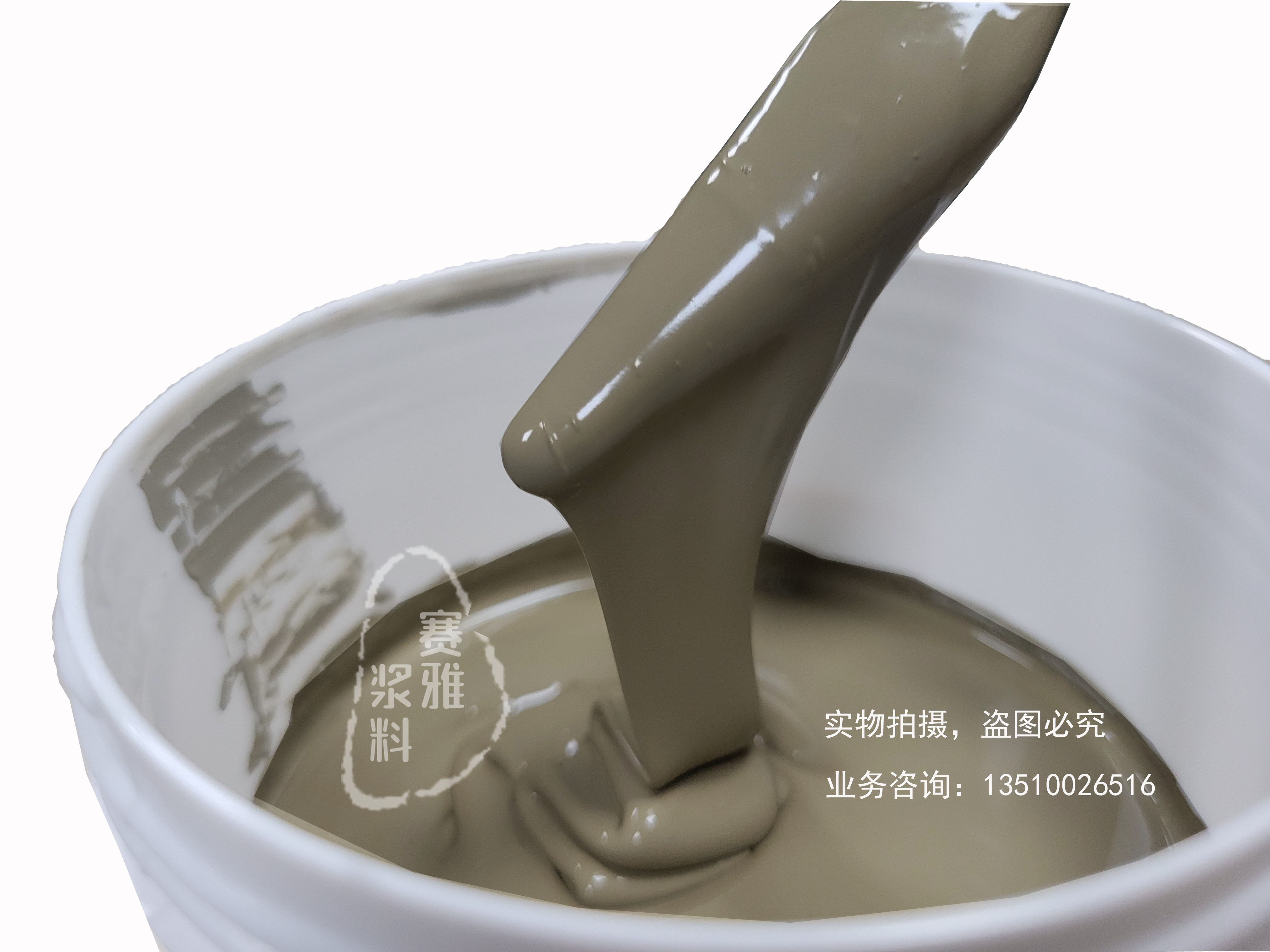
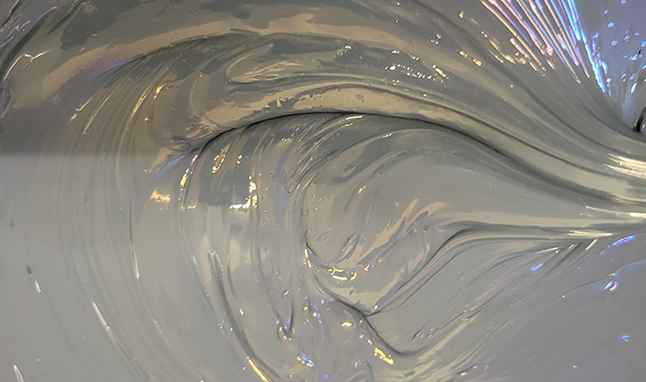
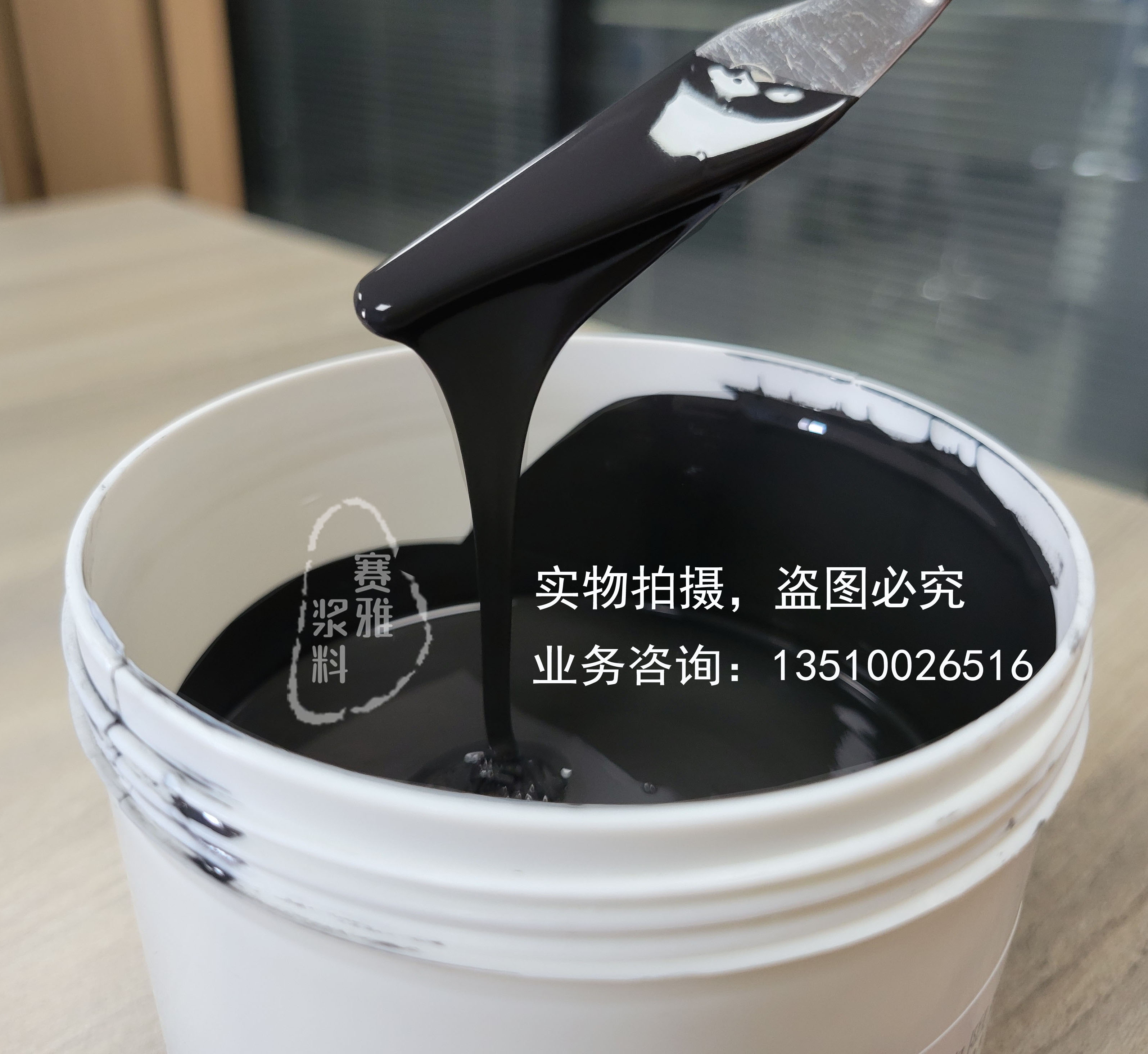
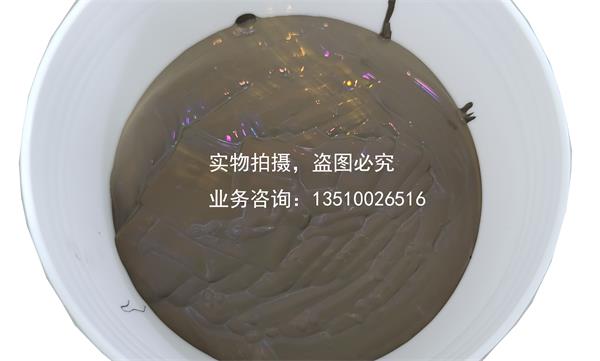
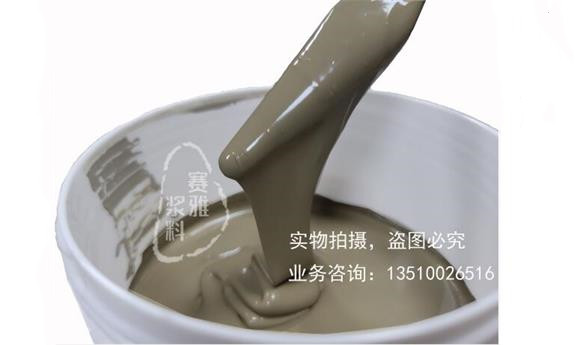
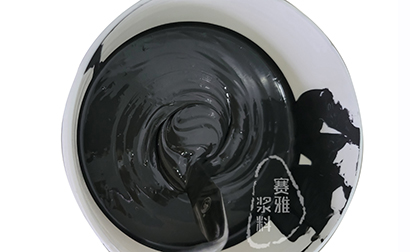
Conductive adhesive It is a conductive and adhesive glue that can connect various conductive materials and form a conductive path between the materials to be connected. The performance of conductive glue is influenced by many factors. Check out the Syera paste instrument for more information.
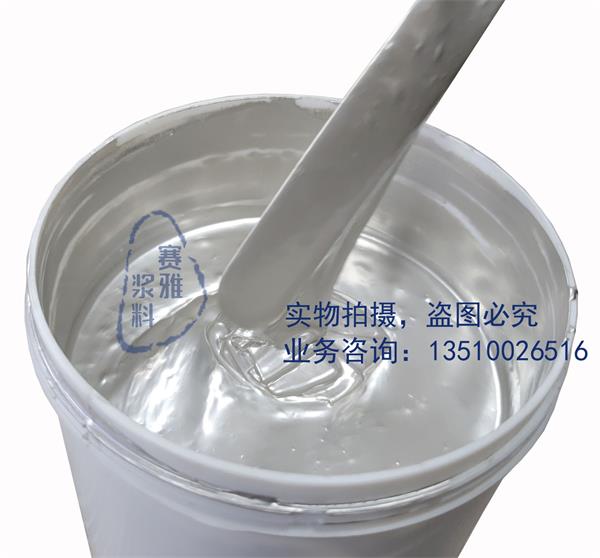
Conductive particles
Conductive particles are the source of conductivity in conductive pastes. The parameters of different conductive particles vary, and after adding the conductive paste, the conductivity and other properties of the colloid also differ. Conductive particles with high self-conductivity, concentrated arrangement between particles, and good surface treatment have high conductivity and are more sensitive to the polymerization and curing behavior of the colloid. The particle size of conductive particles not only affects the morphology of the conductive adhesive but also has a certain impact on the bonding performance. The smaller the particle size in the matrix resin, the denser it becomes after curing, and the better the mechanical properties. The main influencing factors are the morphology and particle size of the conductive particles as well as the amount of conductive particles.
2. Resin system and curing process
The resin system is the main source of the mechanical and bonding properties of conductive adhesives, and its selection is very important. Different resin systems should be chosen based on different mechanical properties and requirements. The commonly used resin system is epoxy resin, which has good adhesion, low viscosity and moderate curing temperature. It is suitable for preparing conductive adhesives and is usually used for room temperature curing or medium temperature curing conductive adhesives. According to the requirements of electronic components, when high-temperature curing is needed, polyimide resin can be used as the matrix resin, or double-maleimide resin and other high-temperature-resistant materials can be added to the conventional epoxy resin to improve heat resistance. The resin system for photo-curable conductive pastes is selected from acrylic epoxy-based photo-sensitive materials.
The curing process has a certain impact on the conductivity of the conductive paste. During heating and curing, the time before the gel point should be shortened as much as possible. Due to the long gel time, the glue will completely coat the surface of the conductive particles and reduce the conductivity. Therefore, it is usually placed directly on the curing surface during curing. Curing at a certain temperature is carried out to reduce the adverse effects of the wet coating. The curing temperature and time not only affect the conductivity of the conductive adhesive, but also have a significant impact on its mechanical properties. For room-temperature curing copper powder conductive adhesive, prolonging the curing time will reduce the shear strength, while medium-high temperature curing conductive adhesives will prolong the curing time and improve the mechanical properties.
3. The influence of the diluent (solvent)
The diluent plays a crucial role in the conductive paste. It can reduce the viscosity of the system, allowing the conductive particles to be well dispersed in the matrix resin, and at the same time forming good conductive contact between the conductive particles, the adhesive layer, and the bonded electronic components. The diluents used for the conductive paste are reactive diluents and non-reactive diluents. Non-reactive diluents are usually selected from high-polarity solvents, such as alcohols, ethers, esters, etc. High-polarity solvents improve the moisture resistance of the conductive paste because they act as a medium to prevent the corrosion of the adhesive layer surface. The amount of non-reactive diluent is 0.1% to 20%. As the amount increases, the conductivity can be improved, but the mechanical properties also decrease. Reactive diluents are mainly added to the resin as reactants to reduce the viscosity of the system. When these substances are added, the heat resistance is also lost while reducing the viscosity of the system. Therefore, the dosage should be controlled within a reasonable range. In practical use, reactive diluents and non-reactive diluents can be mixed to achieve the best dilution.
4. The influence of other additives
Other additives are mainly added to the conductive adhesive based on its requirements to improve its performance. Usually, coupling agents are added to the conductive adhesive to reduce the interfacial surface energy between metal particles and the adhesive layer, such as silane coupling agents, titanate coupling agents, etc.