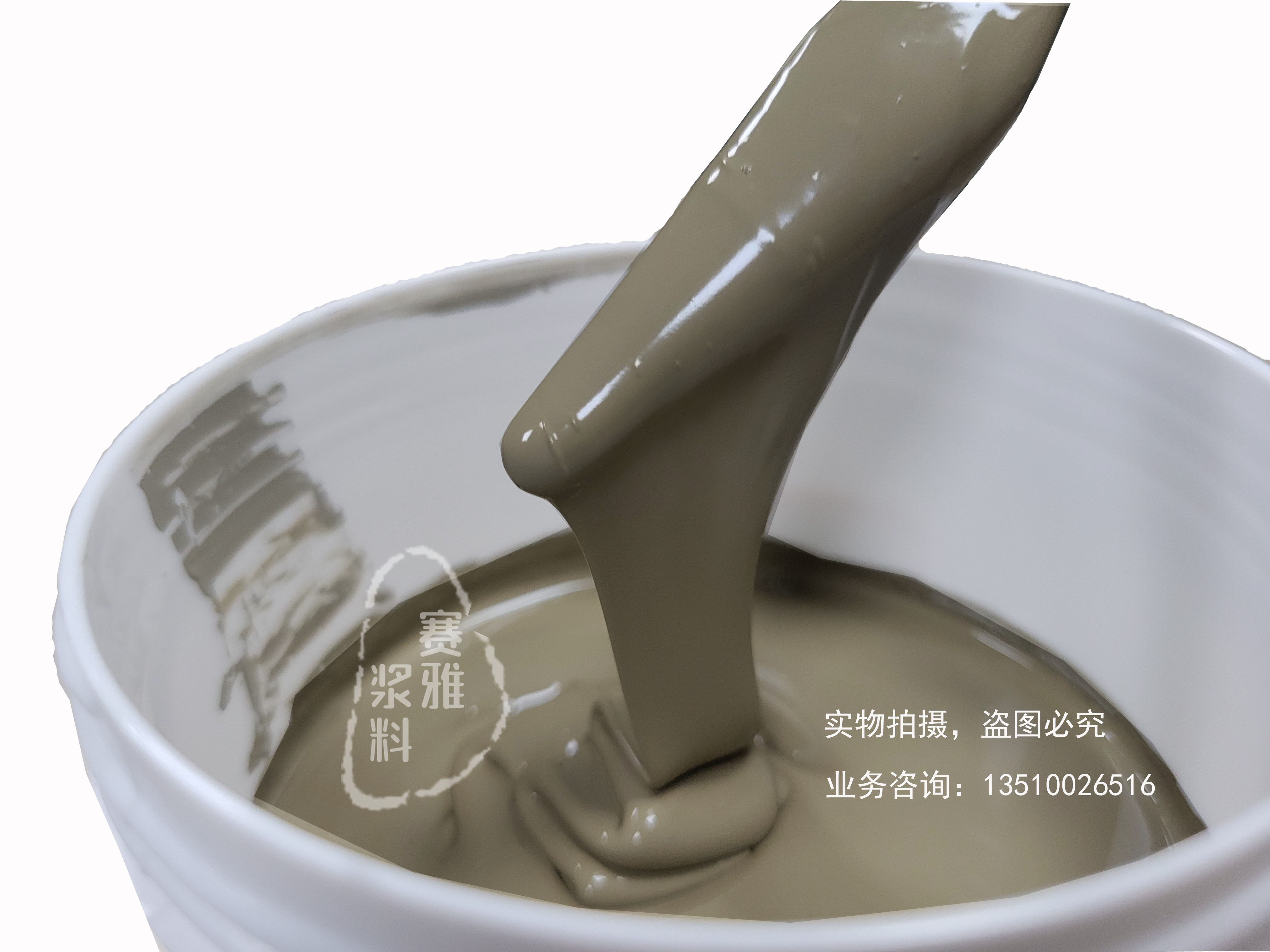
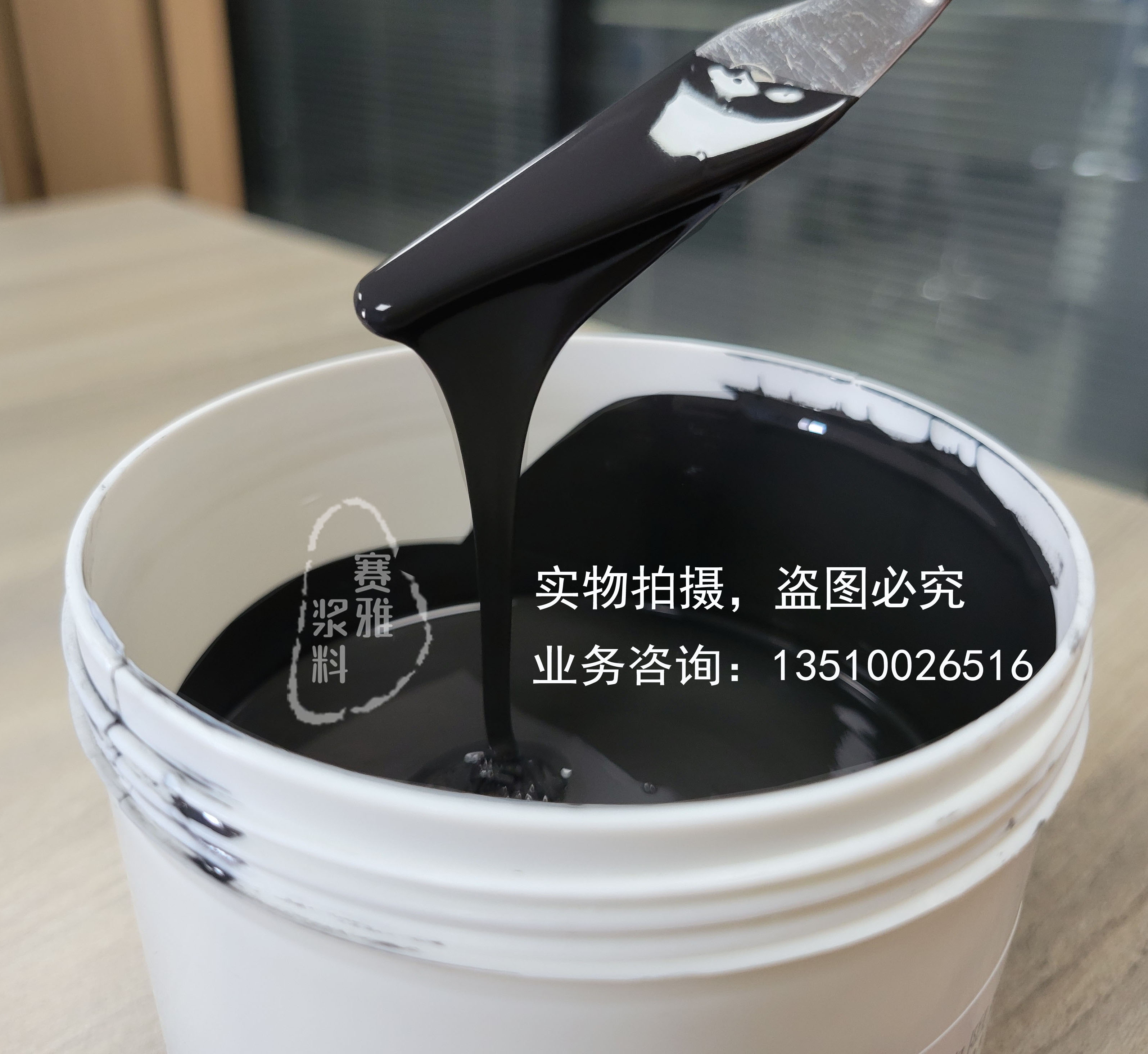
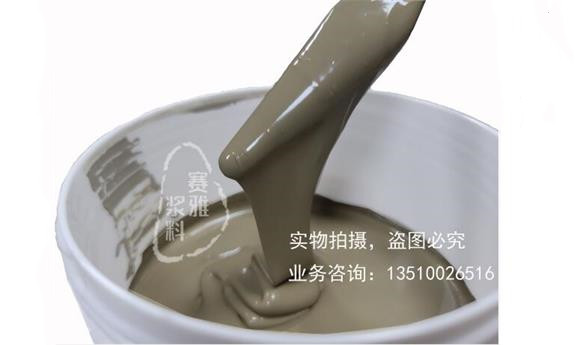
Conductive adhesiveIt is a kind of adhesive that becomes conductive after being solidified or dried. In the electronics industry, conductive adhesives have become an indispensable new material. So, what factors can affect the use of conductive adhesives?
The influence of moisture on conductive adhesives
The water in conductive adhesives may undergo two effects: plasticization and swelling. The plasticization effect can lower the glass transition temperature, strength and modulus of the polymer; the swelling effect can generate swelling stress and even cause irreversible physical and chemical changes. Water can erode the interface between the adhesive and the substrate, thereby reducing the strength of the joint.
2. The influence of high temperature on bonding strength
High temperature has a significant impact on the bonding strength: If the melting point of the conductive adhesive is low, such as some thermoplastic adhesives, they perform well at room temperature. However, when the temperature rises and approaches the glass transition temperature, the plastic flow will cause the joint to deform and the strength to decrease. For some thermosetting materials, at high temperatures, they do not soften and flow. Their key problem is the reduction in strength caused by thermal oxidation and high-temperature decomposition. Low temperature also has an impact on bonding strength: There is stress in the conductive adhesive. At room temperature, low modulus conductive adhesives can easily eliminate stress concentration through deformation, while at low temperatures, the elastic modulus increases, making it difficult for the conductive adhesive to eliminate stress concentration. There are stress concentration and stress gradients within the conductive adhesive, which may cause the adhesive joint to expand and contract due to excessive stress, leading to failure of the joint.
3. The influence of electrochemical corrosion on contact resistance
Some scholars have found that electrochemical corrosion is the dominant factor causing unstable contact resistance. Electrochemical corrosion usually requires the following conditions: (1) The presence of water and electrolytes; (2) The contact of metals with different electrochemical potentials; (3) One of the two metals must have an electrochemical potential lower than 0.4V.
4. The impact of external forces on conductive adhesives
During the assembly process of printed circuit boards, collisions and vibrations are inevitable, which necessarily require the conductive adhesive used in this process to have good shock resistance. Compared with the strength of the existing tin-lead solder, the adhesive has a slightly insufficient strength. NCMS requires that for the PLCC (plastic leaded chip package) carrier, it can withstand 6 drops from a height of 1.524 meters. However, most of the existing conductive adhesive materials cannot meet this requirement. The matrix adhesive is an important factor affecting the impact toughness of the conductive adhesive. The epoxy resin commonly used in the conductive adhesive has poor toughness, so chemical or physical toughening of the conductive adhesive matrix can achieve a relatively ideal effect in improving the impact performance of the conductive adhesive.