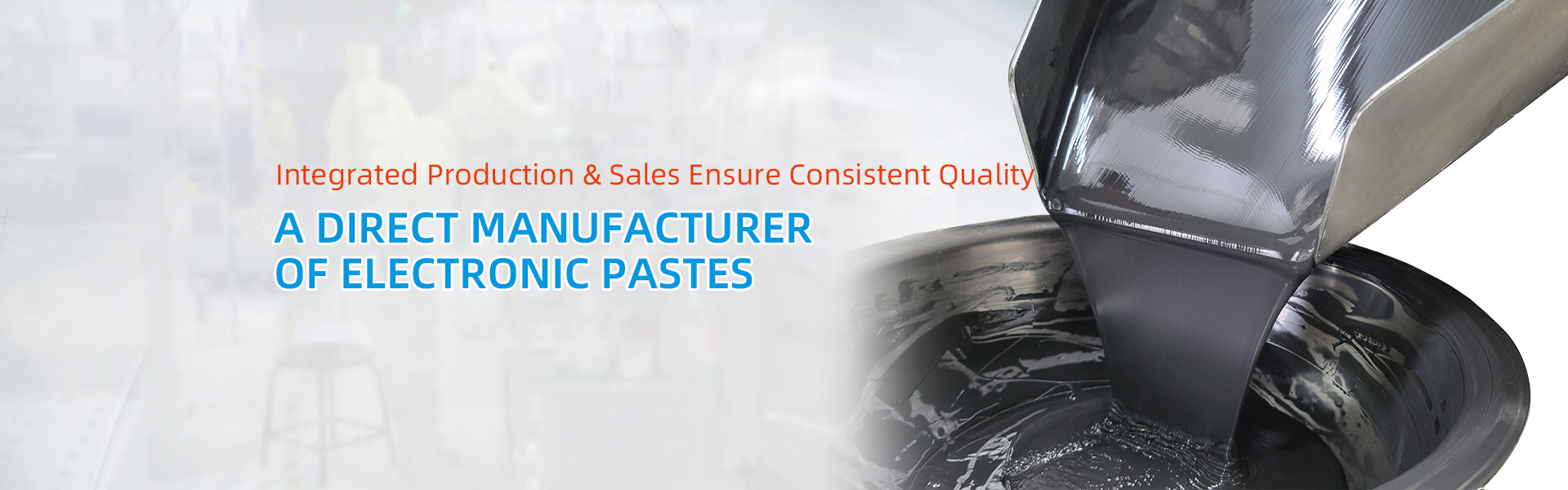
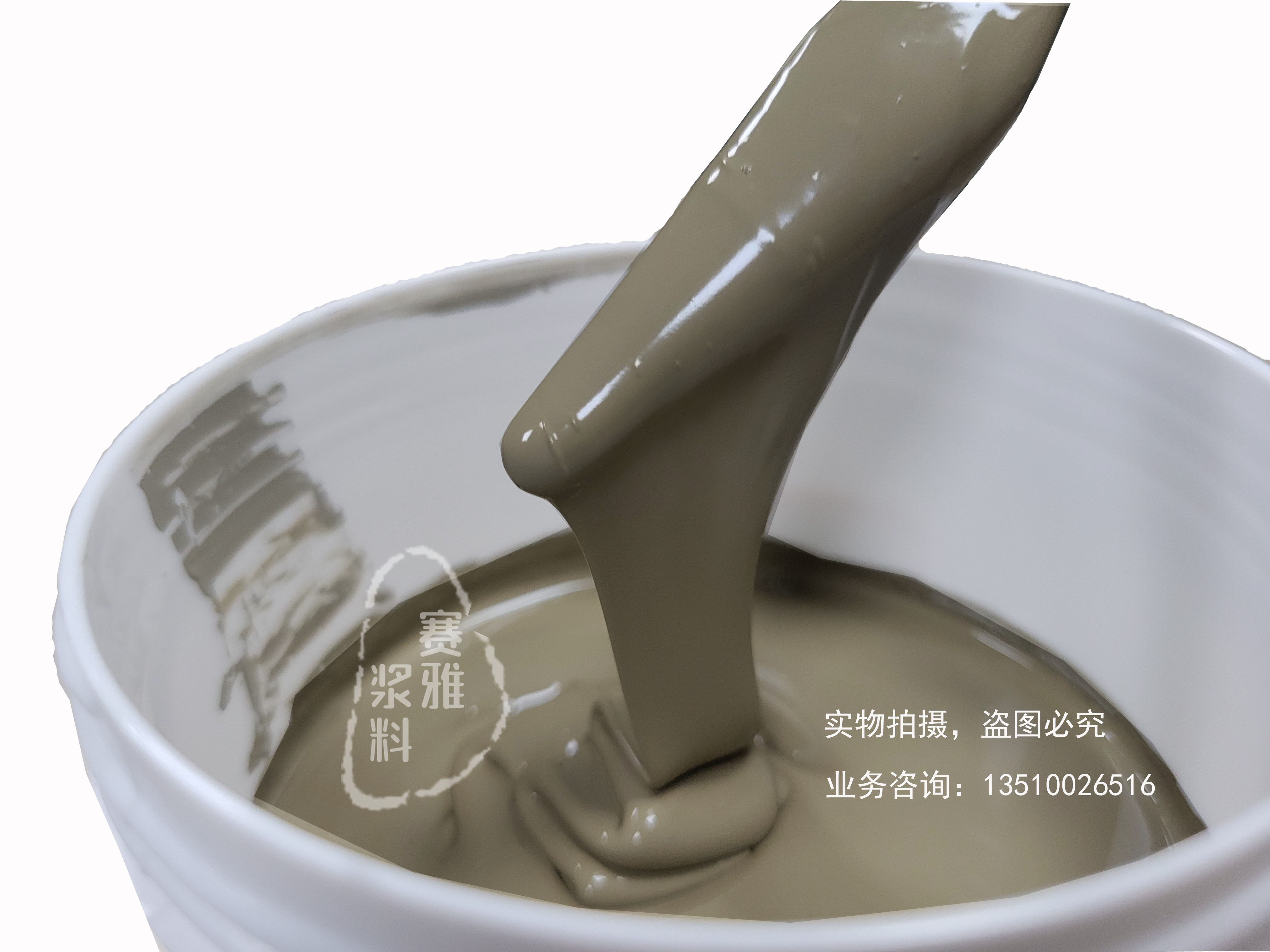
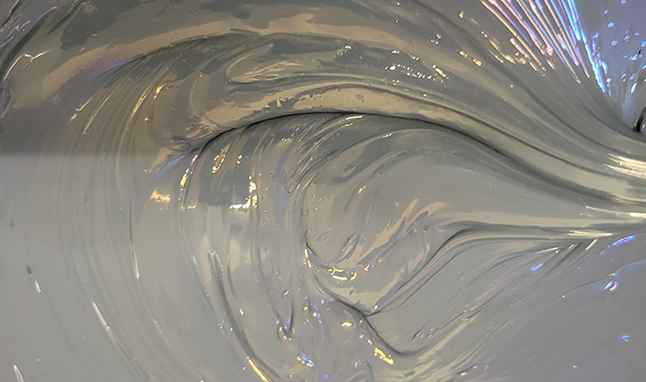
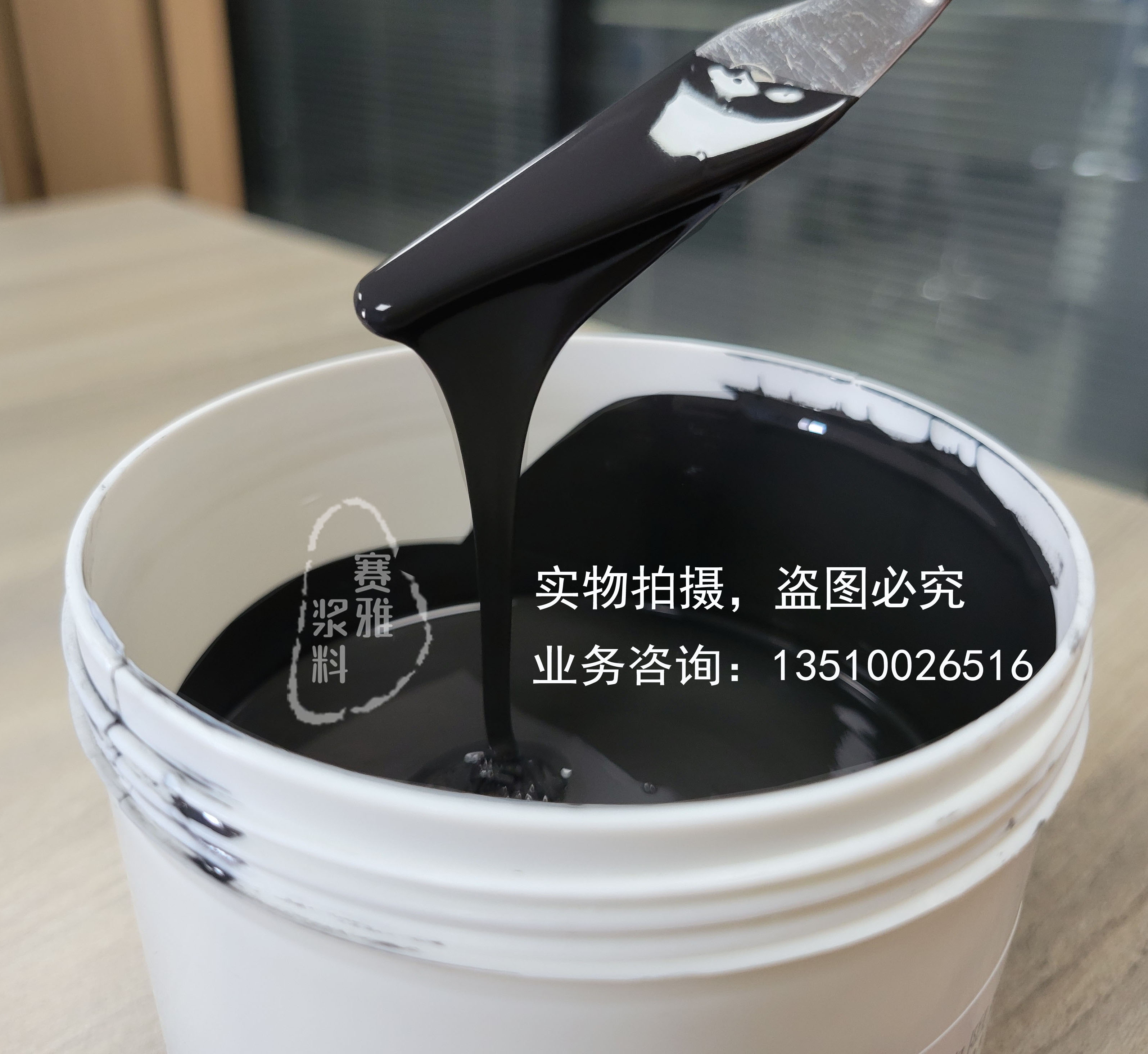
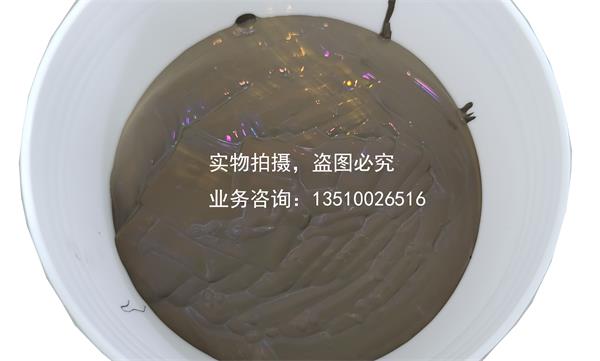
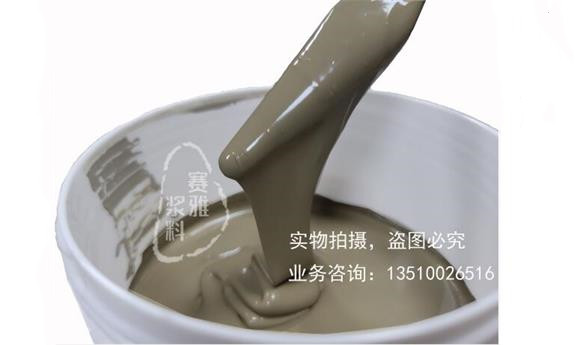
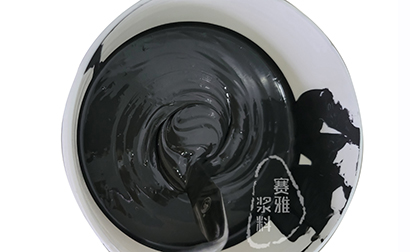
Conductive silver pasteIt refers to a silver paste that is printed on non-conductive substrates to enable it to conduct electricity and discharge accumulated static charges. It is usually printed on non-conductive substrates such as plastics, glass, ceramics or paperboard. Below, I will introduce conductive Silver paste The usage tips.
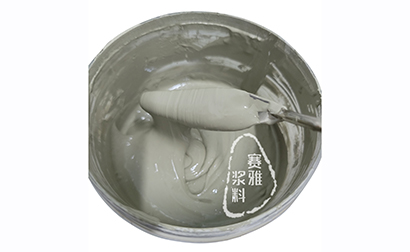
In order to achieve the desired special effect, the conductive silver paste must be dispersed in the coating system. The coating should be in a uniform state without any fine particles. The aluminum flakes are prone to bending and breaking. During the coating production process, if it undergoes high-speed stirring or other continuous and intense processing, its geometric structure is very likely to be damaged, resulting in coarse particles, poor color, reduced coverage, and metal migration and other undesirable phenomena. Therefore, high shear force dispersion methods should not be used.
It is recommended to adopt the pre-dispersing method. First, select an appropriate solvent or a mixture of several solvents, with the ratio of conductive silver paste to solvent being 1:1 or 1:2. Add the solvent to the conductive silver paste and stir slowly until it is uniform (about 10-20 minutes). When adding the base material to the system, in general production, the conductive silver paste is usually soaked in the solvent for 30 minutes before being stirred slowly.
2. The dilution selection of conductive silver paste is mainly determined by the formulation of the paint. For non-floating conductive silver paste, polar and non-polar solvents can be widely used, such as aliphatic or aromatic types, esters (such as butyl acetate), ketones (such as methyl ethyl ketone, methyl isobutyl ketone), and alcohols (such as ethanol).
3. Chlorinated solvents (halogenated...) are not suitable for any conductive silver paste pigments. The chlorinated solvents will release HCL, which will react chemically with the fine aluminum pigments.
4. Many commonly used coating base materials such as oil-based varnish base materials, acrylic resins, alkyd resins, epoxy resins and water-based base materials can all be applied to non-floating conductive silver paste pigments. In general, any coating base material or solvent as long as it is compatible with the solvent carrier of the conductive silver paste and does not cause chemical damage to the conductive silver paste is suitable. One special point to note is that aluminum is an active metal, and the acid value of the paint should be controlled below 7.
5. When a coating system containing conductive silver paste requires the addition of a metal accelerator, for non-floating conductive silver paste, only accelerators that do not react with the fatty acids on the surface of aluminum flakes can be used. It is recommended to select drill, zirconium, and manganese accelerators.
6. Addition Ratio: For colored primer, the addition ratio of conductive silver paste is 1% - 4%. For pure silver primer, the addition ratio of conductive silver paste is 4% - 10%. In single-layer metal glitter paint, the addition ratio of conductive silver paste is 5% - 13%. For anti-corrosion paint, canned, and roll coating materials, the addition ratio of conductive silver paste is 10% - 13%.
7. When the coating surface shows parallel orientation, the best effect is achieved. Poor parallel orientation can lead to turbidity or diffuse reflection. The orientation of sheet-like pigments is related to the formulation and construction conditions. The evaporation of solvents causes the shrinkage of the wet coating film, and eventually the aluminum pigment is pressed into a horizontal orientation position. The higher the solvent content in the coating, the stronger this effect is. This explains the phenomenon of sheet-like pigment orientation. Therefore, the optical properties of low-solid-content coatings are better than those of high-solid-content coatings.
The evaporation of the solvent can cause intense vortices within the wet film. However, if the solvent evaporates too slowly, it will form what is known as a Zarnard vortex, which hinders the parallel orientation of the aluminum pigment (resulting in turbidity). Resin can be used to facilitate the evaporation of the solvent (such as cellulose acetate CAB), and some additives can also be used, which can fix the plate-like pigments. It has been reported in the literature that wax dispersions can have an "intermediate effect", and surfactants also have a similar function. However, their functions should be tested before use.
Note: Within a certain range, the optical properties of coatings with lower solid content are better than those of coatings with higher solid content.
The above is the content about the usage techniques of conductive silver paste. If you have any further questions, please feel free to contact Saya Paste. Our professionals will be glad to answer them for you.