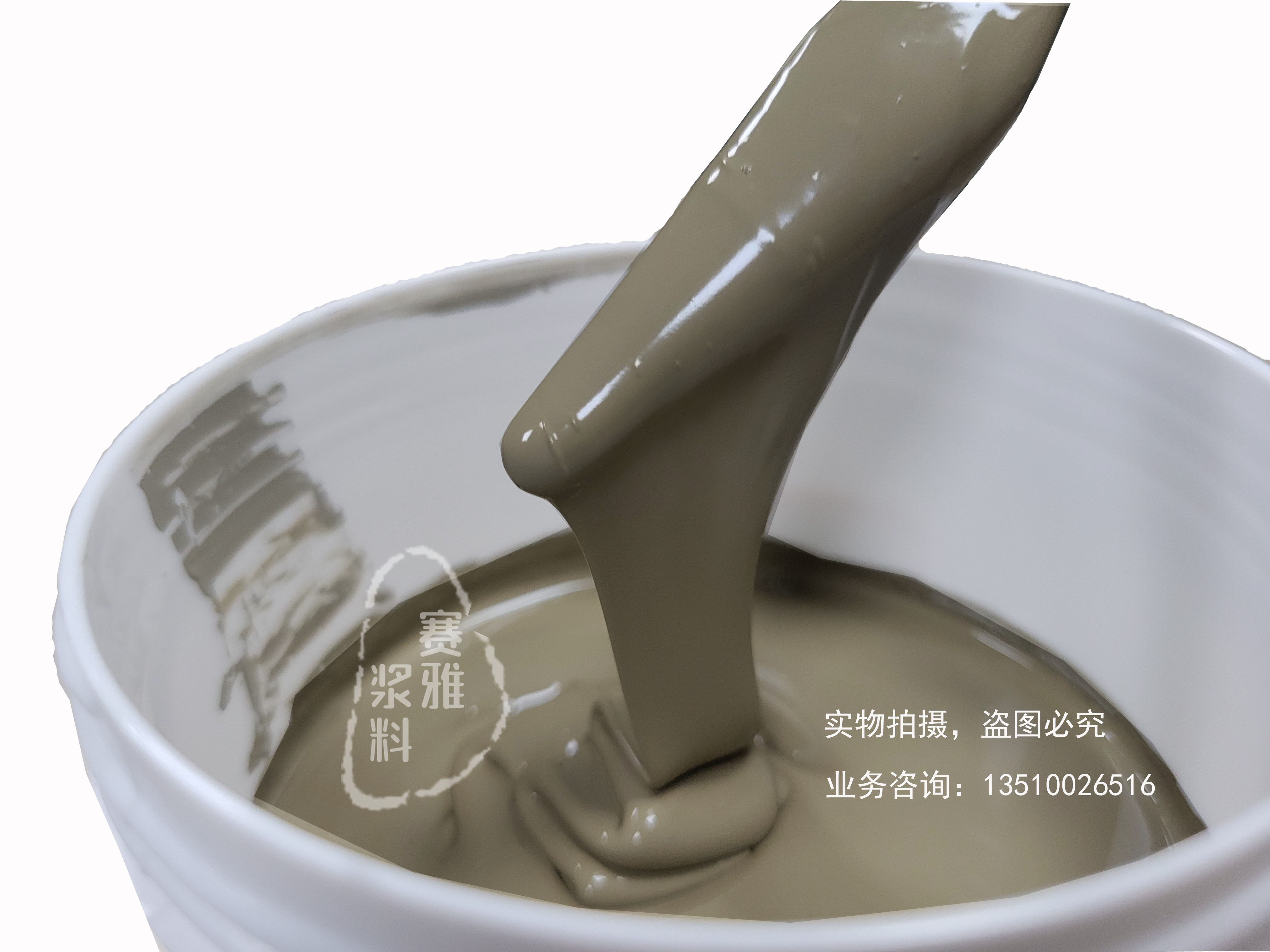
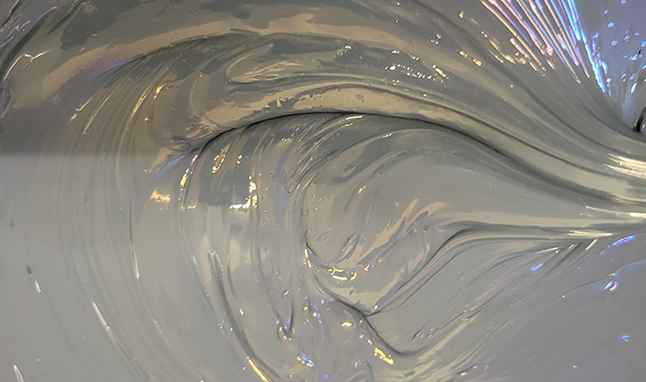
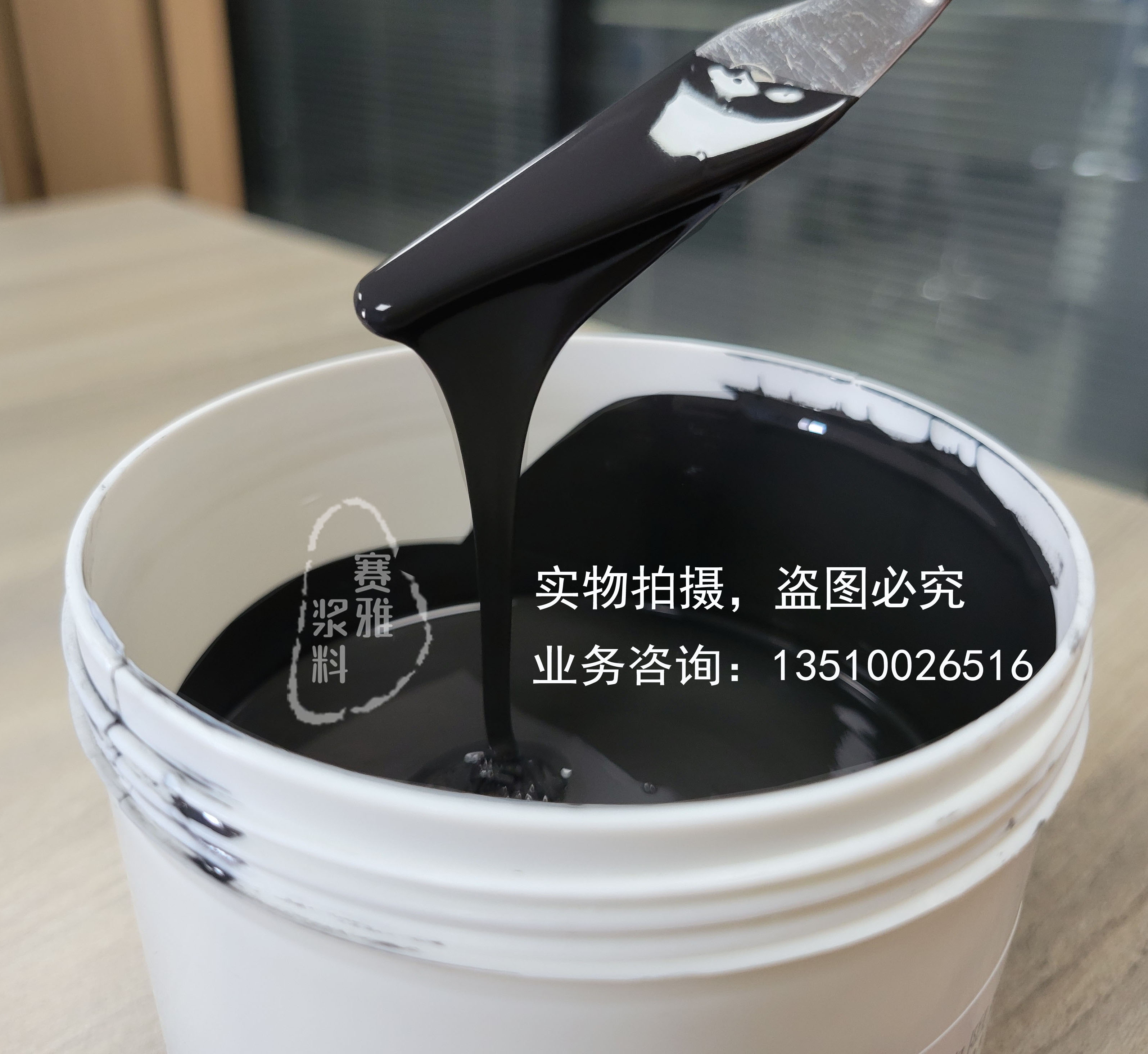
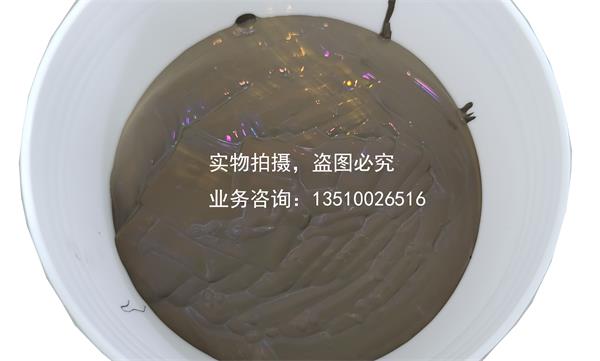
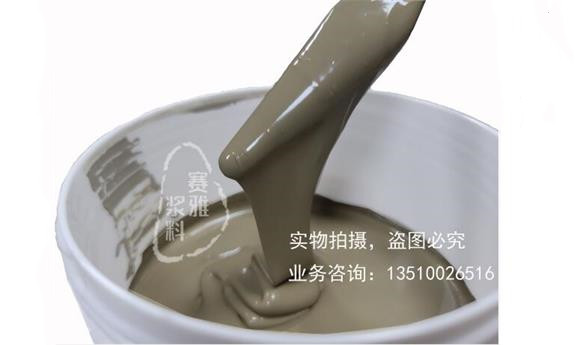
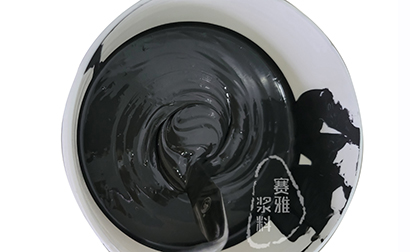
Saya Conductive AdhesiveThe electrical conductivity of the material may be affected by various factors, which usually involve the composition of the conductive adhesive, the preparation process, and the usage environment, among others. The following is a detailed analysis of these factors:
I. Components of Conductive Adhesive
Conductive particles
1. Types:Conductive particles are the main component of conductive adhesives, determining the conductivity of the adhesive. Common conductive particles include metal particles (such as silver, copper, etc.), carbon black particles, and conductive ceramic particles, etc. Different types of conductive particles have different conductive properties and costs, so choosing the appropriate conductive particles is crucial for the conductivity of the conductive adhesive.
2. Shape and Size:The shape and size of the conductive particles also affect the electrical conductivity of the conductive adhesive. If the shape of the conductive particles is irregular or they are too small, it may affect the adhesion and cohesion, thereby reducing the electrical conductivity.
2. Adhesive
1. Types:Adhesive is a "binding agent" between conductive particles. It enables the conductive particles to form a certain degree of combination and ensures the adhesion and stability of the conductive adhesive. Common adhesives include organic polymer materials such as acrylates, epoxy resins, and polyurethanes, etc.
2. Content:The content of the adhesive directly affects the electrical conductivity of the conductive adhesive. If the adhesive content is too high, it may interfere with the electron conduction between the conductive particles, resulting in a decrease in conductivity; while if the adhesive content is too low, it will affect the adhesion force between the conductive particles, thereby reducing the stability of the conductive adhesive.
3. Other additives
1. Such additives as curing agents, toughening agents, and diluents may also affect the electrical conductivity of the conductive adhesive. For instance, the curing agent can facilitate the curing of the conductive adhesive, forming a stable conductive network; the toughening agent can enhance the impact resistance and stability of the conductive adhesive; the diluent can reduce the viscosity of the conductive adhesive, improving its processing performance.
II. Preparation Process
Homogeneity of mixture:The uniformity of the mixing of conductive particles, adhesives and other additives during the preparation process has a significant impact on the electrical conductivity of the conductive adhesive. If the mixing is not uniform, it may cause an uneven distribution of conductive particles within the conductive adhesive, thereby affecting the electrical conductivity.
2. Fixed conditions:The conditions such as curing temperature, time and pressure also affect the electrical conductivity of the conductive adhesive. Appropriate curing conditions can enable the conductive adhesive to form a stable conductive network, thereby enhancing its electrical conductivity.
III. Operating Environment
1. Temperature and pressure:Temperature and pressure conditions directly affect the degree of hardening of conductive adhesives, thereby influencing their conductive properties. The adhesion between conductive particles and the adhesive is also influenced by temperature and pressure. Generally, the adhesion force and conductive performance of conductive adhesives increase with the rise in temperature, but when the temperature is too high, it may cause problems such as the burning and oxidation of the conductive adhesives. In addition, appropriate pressure processing can improve the stability and hardening degree of conductive adhesives, thereby enhancing their conductive performance.
2. Humidity and moisture:Humidity and moisture content are the two main enemies of conductive adhesives. Excessive moisture content can cause problems such as crystallization and insufficient curing of the conductive adhesive, thereby affecting its electrical conductivity. Moreover, excessively high humidity can lead to a decrease in the adhesion strength of the conductive adhesive and its susceptibility to deformation, which also results in a decline in electrical conductivity.
To sum up,Saya Conductive AdhesiveThe electrical conductivity of the material is influenced by various factors, including the type, shape and size of the conductive particles, the type and content of the adhesive, the type and content of other additives, the homogeneity of the preparation process and the curing conditions, as well as the temperature, pressure, humidity and moisture of the usage environment. In practical applications, it is necessary to select the appropriate conductive adhesive material based on specific requirements and control relevant parameters to fully utilize its electrical conductivity.