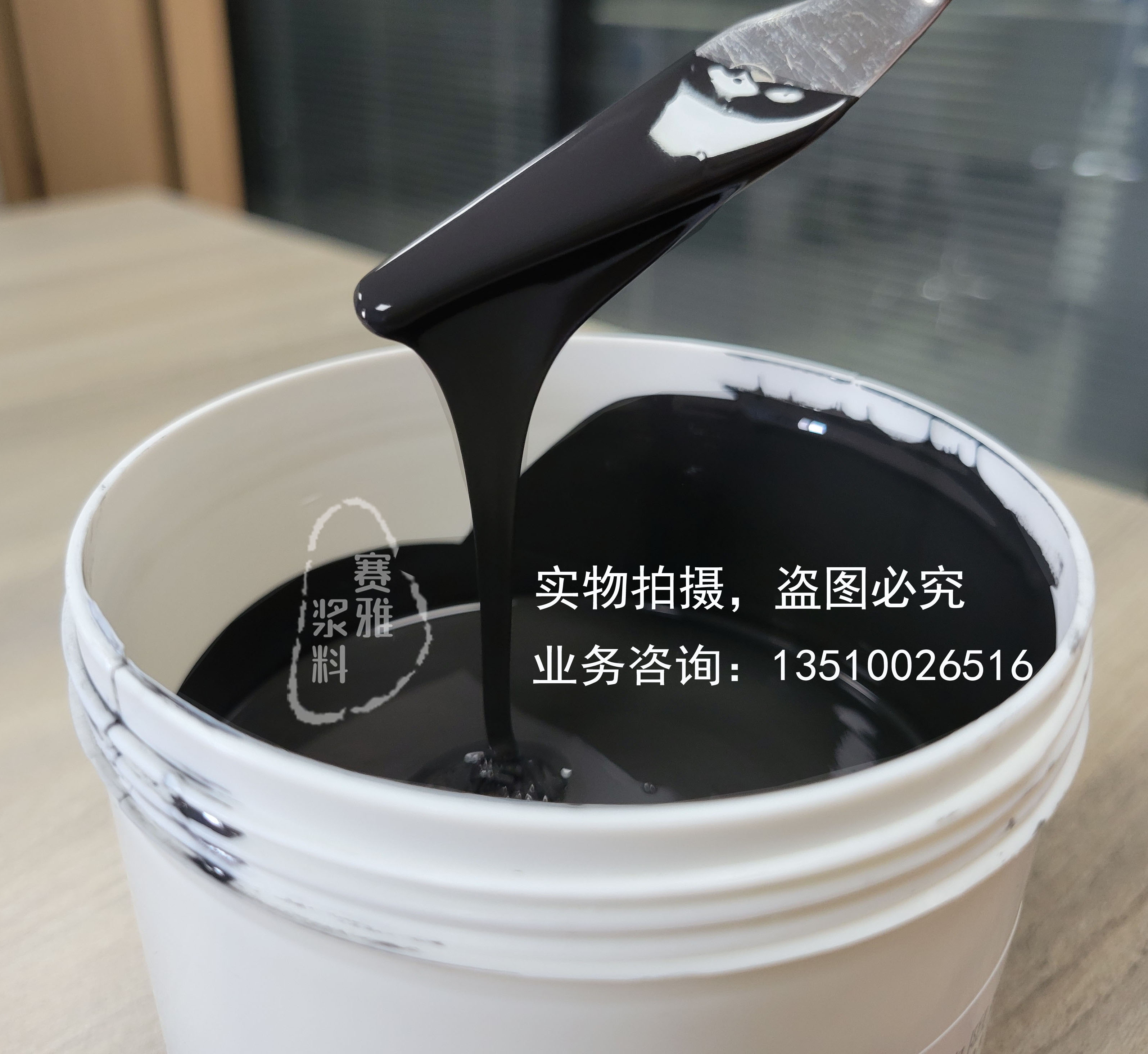
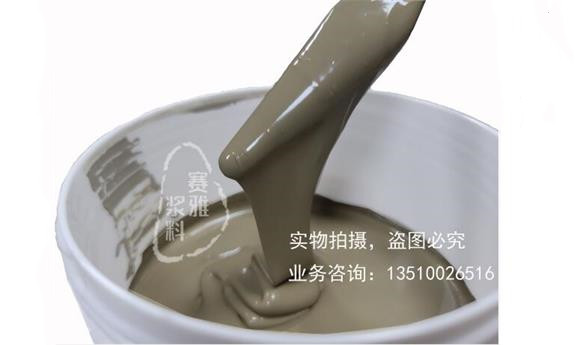
Classification of Silver Platinum Paste
Silver-platinum pastes are mainly classified according to their application, sintering or curing temperature, types of precious metals, and types of silver-containing substances.
I. Classification by Usage:
Conductive paste: A type of paste used in the manufacturing of electronic components, such as circuit boards, connectors, sensors, etc., which are conductive.
2. Resistance paste: A paste used for manufacturing resistors and potentiometers.
3. Electrode paste: A paste used for manufacturing electrodes of batteries, capacitors, etc.
4. PTC Paste: The paste used for manufacturing PTC thermistors.
5. Solar cell paste: The paste used for manufacturing solar cells.
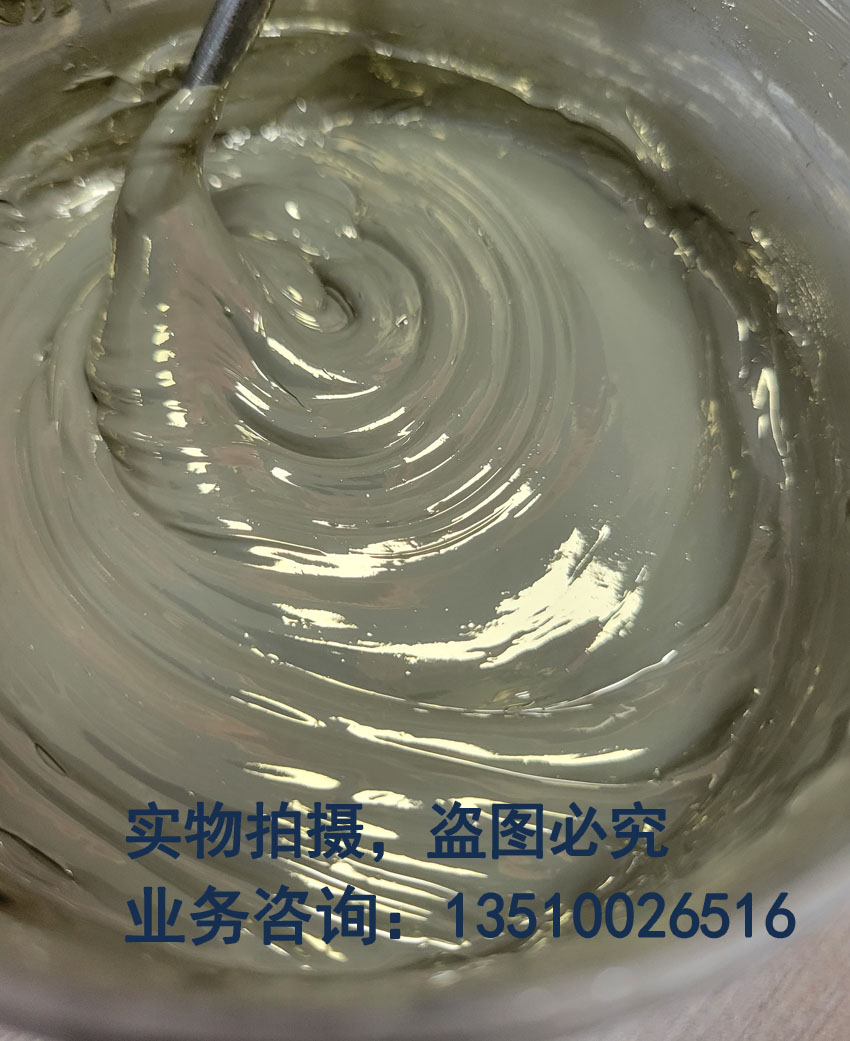
II. Classification based on sintering or curing temperature:
1. Low-temperature silver paste: A type of silver paste with a lower sintering or curing temperature, typically used for the manufacturing of electronic components at lower temperatures.
2. Medium-temperature silver paste: A silver paste with moderate sintering or curing temperature, suitable for the manufacturing of general electronic components.
3. High-temperature silver paste: Silver paste with a higher sintering or curing temperature, suitable for the manufacturing of electronic components in high-temperature environments.
III. Classification based on the types of precious metals:
1. Single-component pure silver paste: The paste contains only silver, a precious metal, and has a high purity.
2. Multi-component silver pastes containing other precious metals: The silver paste contains other precious metals besides silver, such as gold and platinum. Among them, the silver-platinum paste falls into this category, which is a paste containing silver and platinum.
IV. Classification based on the types of silver-containing substances:
Silver oxide paste: A silver paste containing silver oxide, which has excellent electrical conductivity.
2. Molecular silver paste: A silver paste containing silver in a molecular state, which has excellent electrical conductivity.
3. Silver powder and silver paste: Silver paste containing silver powder, possesses excellent electrical conductivity and adhesive properties.
Treatment of silver-platinum waste materials
The treatment of silver-platinum waste mainly involves the processes of recovery and refining. Here is a basic treatment procedure:
1. Decontamination: Firstly, the waste materials are subjected to decontamination treatment. For instance, hydrochloric acid is used to remove impurities such as iron and zinc in order to concentrate the precious metals.
II. Dissolution:
1. Nitric acid dissolution: Add the material and a certain proportion of nitric acid to the reaction vessel. Dissolve it at 80-90℃ for 3 hours. Filter to obtain a solution containing silver and palladium.
2. Hydrochloric acid dissolution: For the filtered residue obtained after nitric acid dissolution, use a hydrochloric acid solution to continue dissolving it at 80℃ for 3 hours. After filtration, a solution mainly composed of gold, platinum and rhodium is obtained.
III. Selective Precipitation:
1. Add sodium chloride to the filtrate for selective silver precipitation. After filtration, the resulting solid is silver chloride.
2. Ammonium chloride is added to the filtrate to selectively precipitate palladium. After filtration, the resulting solid is palladium chloride.
IV. Restoration and Simplification:
1. The crude gold powder was obtained by reducing with anhydrous sodium sulfite solution.
2. Ammonium chloride is used to precipitate ammonium chloroplatinate, and the resulting crude platinum is obtained after calcination.
3. Other precious metals such as rhodium are recovered through methods such as heating and adding rhodium-precipitating reagents.
V. Sulfurization Precipitation and Neutralization Treatment:
For the small amounts of precious metals remaining in the solution after the separation process, sulfurization treatment and neutralization treatment are carried out to completely recover the precious metals and reduce environmental pollution.
Through the above processing procedures, it is possible to achieve the effective recovery and refinement of silver-platinum waste materials, reducing environmental pressure, and the recovered substances can also be recycled.