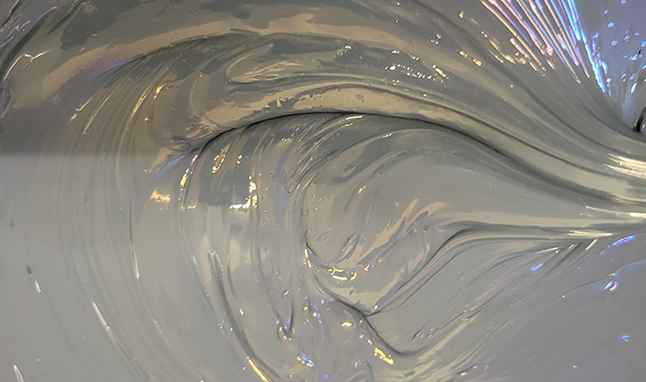
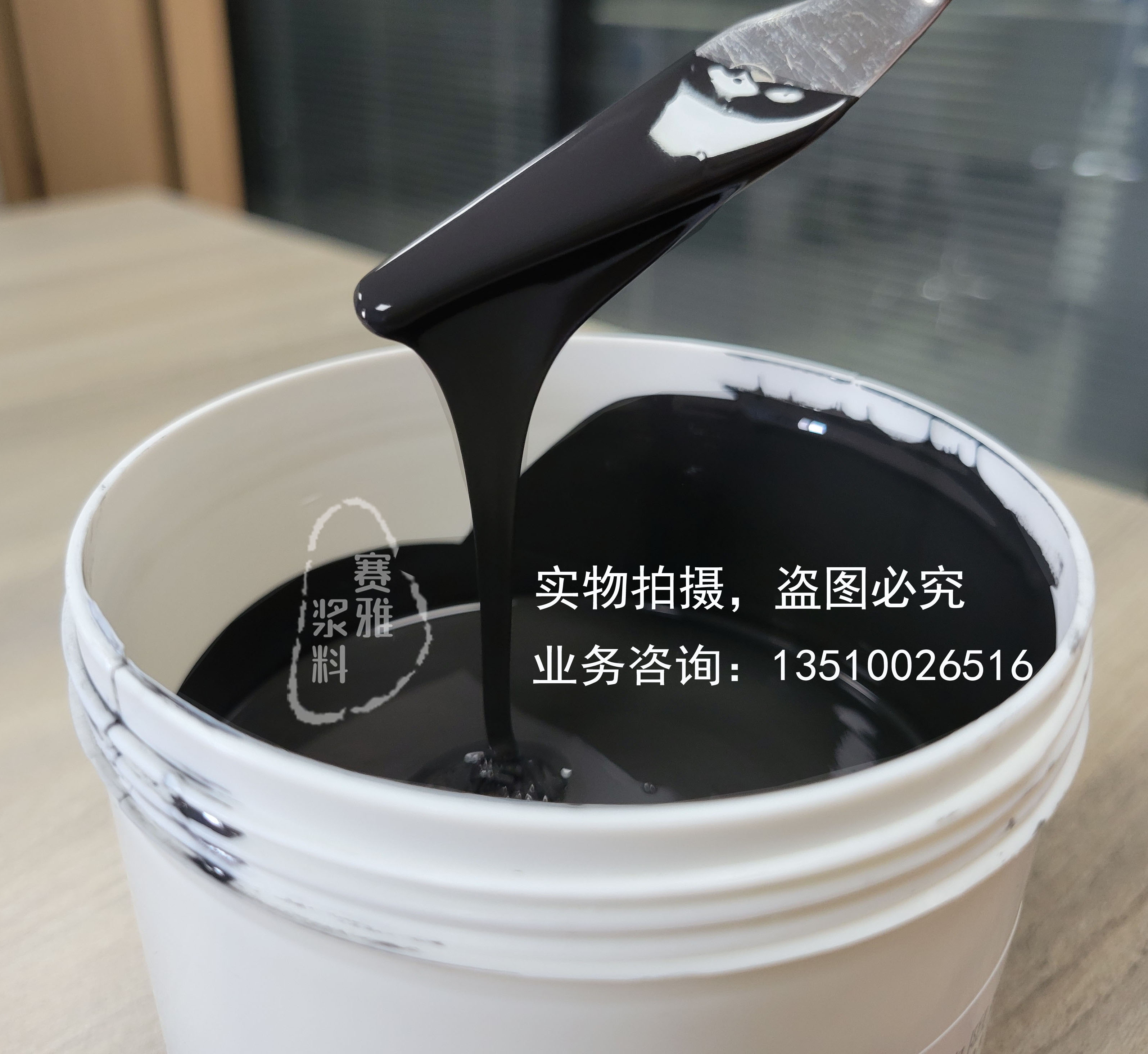
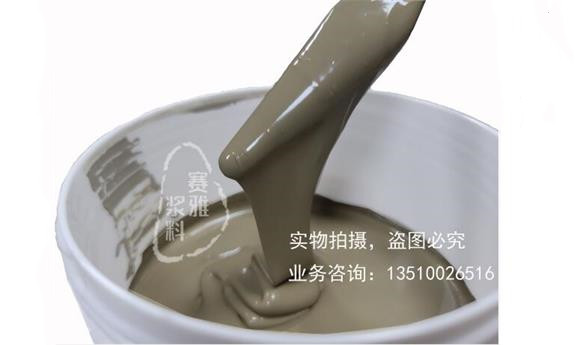
With the recent booming momentum of the seven core industries' new infrastructure construction led by 5G infrastructure, the new infrastructure will lead to a significant increase in the number of 5G base stations, and the key components of 5G base stations - 5G ceramic dielectric filters - are also expected to witness a major boom. And conductive silver paste is the key material for 5G ceramic dielectric filters, and its quality directly affects the performance and service life of the devices. According to research institutions' predictions, there will be nearly 8.5 million base stations globally in the 5G era. Assuming each base station has 3 antennas and each antenna has 64 filters, the demand for dielectric filters will be 1.6 billion units, and the global market capacity for ceramic dielectric filters is approximately 56.6 billion yuan. Thus, the market prospect of conductive silver paste is not to be underestimated.
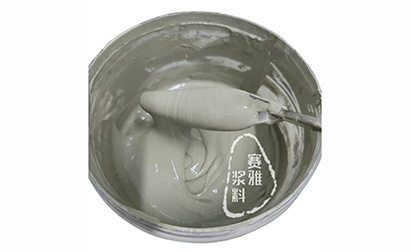
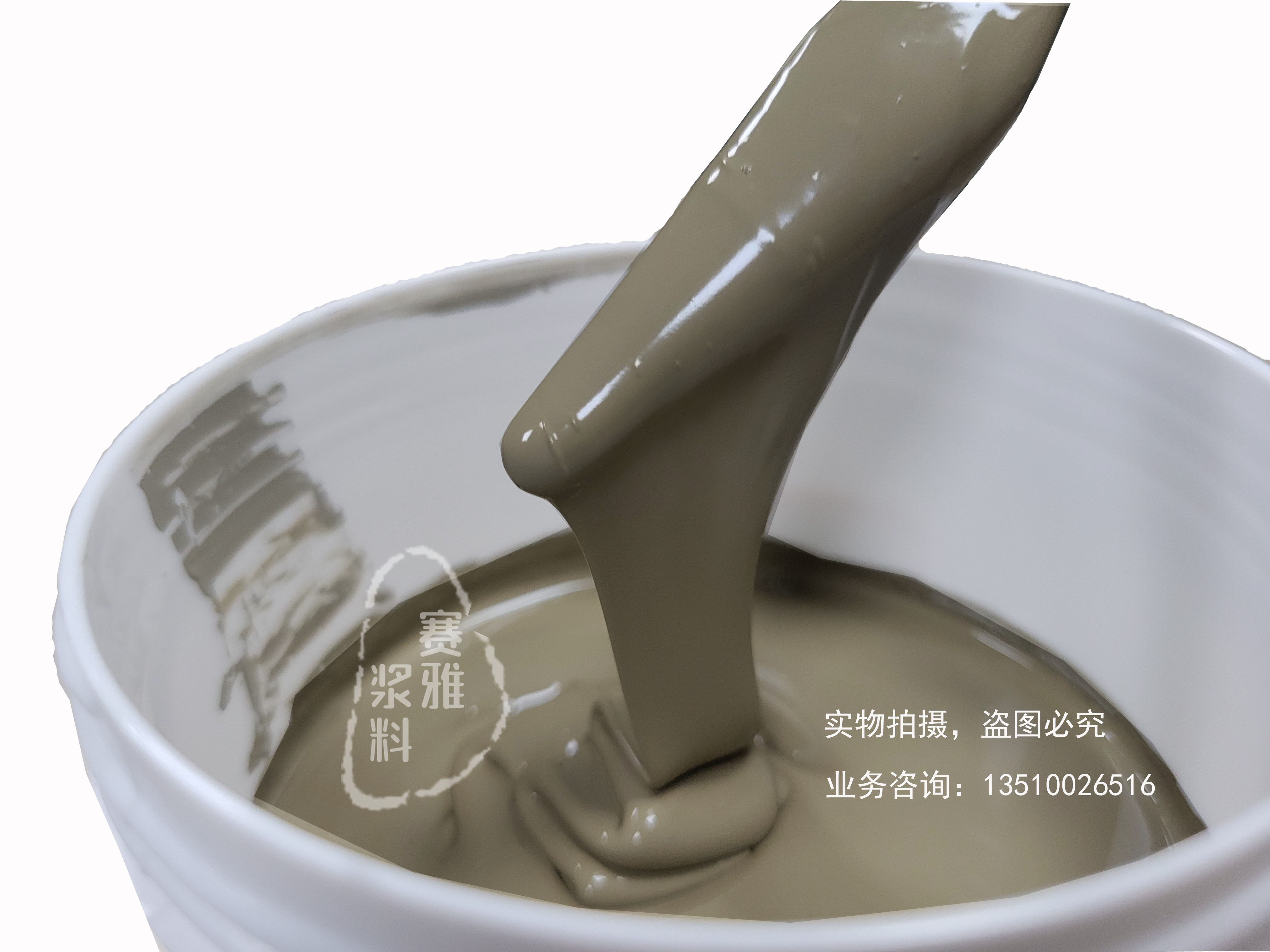
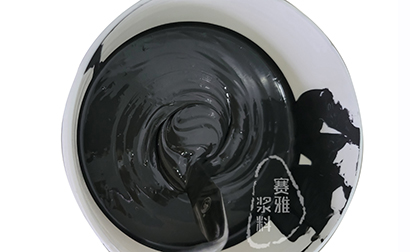
Conductive silver paste, in simple terms, refers to the silver paste that is printed on the substrate to enable it to conduct electricity and discharge accumulated static charges. It is generally printed on non-conductive substrates such as plastics, glass, ceramics, and paperboard. Conductive silver paste is composed of conductive silver powder, binder, solvent, and trace additives to improve performance. It can be classified into polymer conductive silver paste and sintered conductive silver paste. The difference between the two lies in the binder phase. Sintered conductive silver paste uses low-melting-point glass powder as the binder phase and sinters into a film at temperatures above 500°C.
The conductive silver paste product integrates metallurgy, chemical engineering and electronic technology. It is a high-tech electronic functional material, mainly used for manufacturing thick film integrated circuits, resistors, resistance networks, capacitors, MLCCs, conductive inks, solar cell electrodes, LEDs, printed and high-resolution conductive bodies, film switches/flexible circuits, conductive adhesives, sensitive components and other electronic components.
Metal silver powder is the main component of conductive silver paste, and its conductive properties are mainly achieved through the silver powder. The content of silver powder in the paste directly affects the conductive performance. In a sense, a higher silver content is beneficial for improving its conductivity, but when the content exceeds the critical volume concentration, its conductive performance cannot be enhanced. The silver content in the silver paste is generally 60-70% which is suitable. Since silver is a precious metal and is prone to reduction and returning to the elemental state, the liquid-phase reduction method is currently the main method for preparing silver powder. The size and shape of the silver particles are closely related to the conductive performance of the paste. The conductive particles used for making conductive printing materials are preferably in the form of sheets, flat plates, or needles. Among them, the sheet-shaped particles are the best. Circular particles are in point contact with each other, while sheet-shaped particles can form face-to-face contact. After printing, the sheet-shaped particles overlap in a fish-scale pattern at a certain thickness, thus showing better conductive performance. Under the same ratio and the same volume, the resistance of spherical particles is 10-2, while that of sheet-shaped particles can reach 10-4.
The domestic silver conductive paste has a gap in terms of conductivity and paste stability compared to imported products, which means that a considerable portion of the conductive pastes still rely on imports. This has significantly reduced the market benefits for domestic enterprises in producing 5G ceramic dielectric filters. How to produce conductive pastes with good stability has become the primary issue for domestic enterprises in producing silver conductive pastes. Among the formulation materials that affect the conductivity and stability of the paste, the adhesive used as a coating material plays a crucial role.
Adhesive is an indispensable film-forming substance in conductive silver paste. In conductive silver paste, conductive silver particles are dispersed in the adhesive. Before printing the graphics, the adhesive, which has been dissolved by solvents, forms a paste with a certain viscosity, enabling the silver paste to transfer the graphics through screen printing; after printing, through the curing process, the conductive silver paste forms a stable bond with the substrate. It can be seen that the choice of adhesive material, whether good or bad, directly affects whether a stable bond can be formed between the silver particles and each other, as well as between the silver particles and the substrate in the final coating.