In the 21st century, electronic information technology is developing in the directions of miniaturization, high integration, high frequency and multi-dimensionality. With the unprecedented popularity of electronic equipment applications and the increasingly complete automation of production technology, high power, small size, lightweight, multi-functionality, greenness and low cost have inevitably become the development directions of new electronic components. Integrated circuits are the crystallization of the achievements of modern electronic technology, mainly including thick film hybrid integrated circuits, thin film hybrid integrated circuits and semiconductor integrated circuits. Each of them has its own advantages: semiconductor integrated circuits excel in digital circuits and are suitable for mass production; thin film hybrid integrated circuits have obvious advantages in microwave and high-frequency circuits; while thick film hybrid integrated circuits have their irreplaceable characteristics in high-temperature, high-voltage and high-power circuits.
The so-called thick-film hybrid integrated circuit, abbreviated as thick-film circuit or thick-film hybrid circuit, refers to the circuit units that are fabricated on a substrate through processes such as screen printing and sintering, featuring interconnecting wires, resistors, capacitors, inductors, etc., and meeting certain functional requirements. Due to its advantages of small size, high power, reliable performance, flexible design, low cost, and good cost-effectiveness, the thick-film circuit meets the requirements of the development trend and occupies more than 80% of the market share in the hybrid circuit industry, increasingly demonstrating its dominant position.
Thick film circuits, as an important branch of integrated circuits, emerged along with the development of thick film electronic materials and thick film technology. They have also evolved along with their advancements. Thick film electronic materials form the material basis of thick film circuits, mainly including substrates and thick film electronic pastes. The substrate serves as the carrier of thick film circuits, and its material properties have a significant impact on the quality of thick film circuits. Thick film electronic pastes are the core and key components of thick film circuits, and their quality directly affects the performance of thick film components.
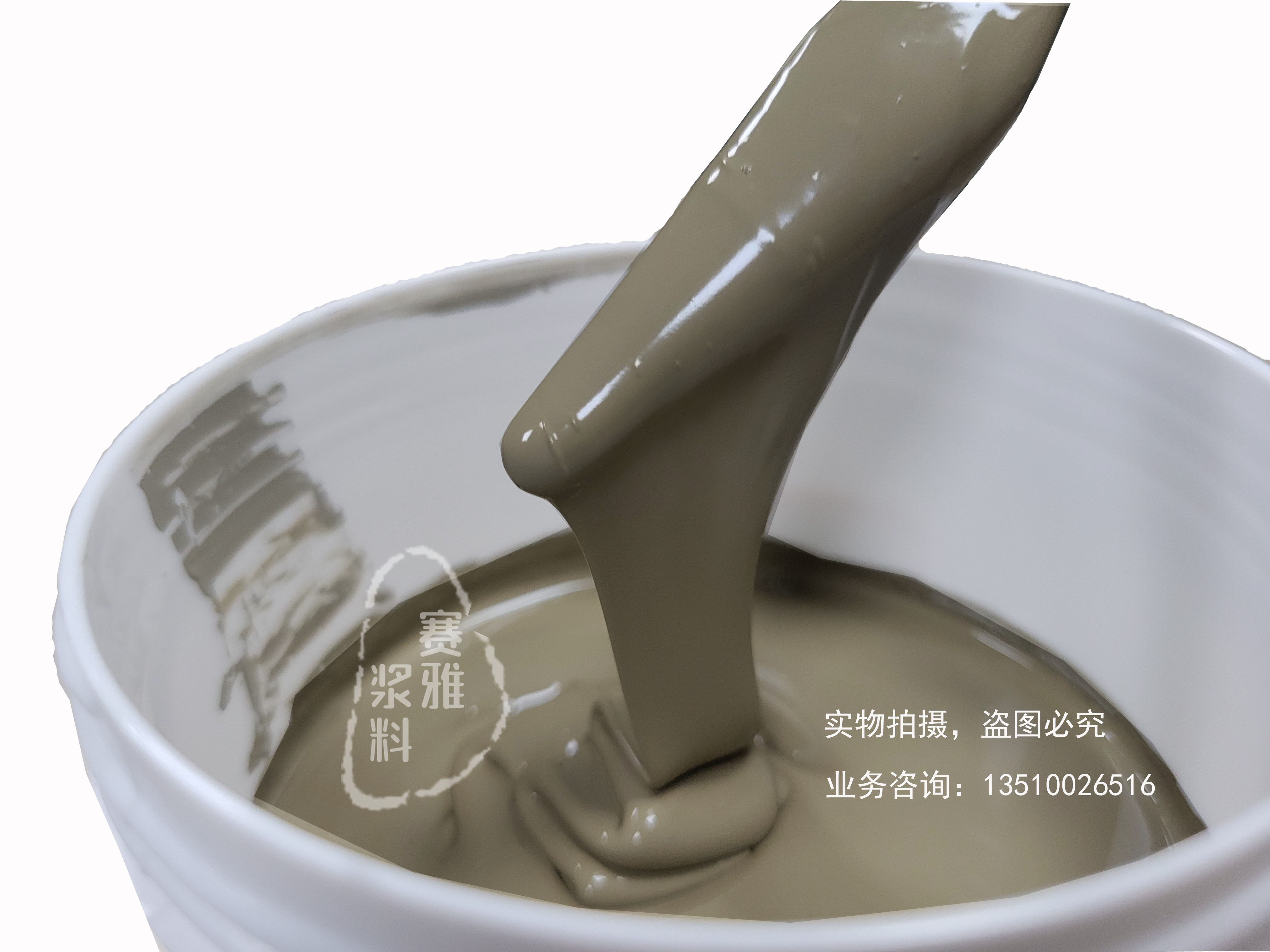
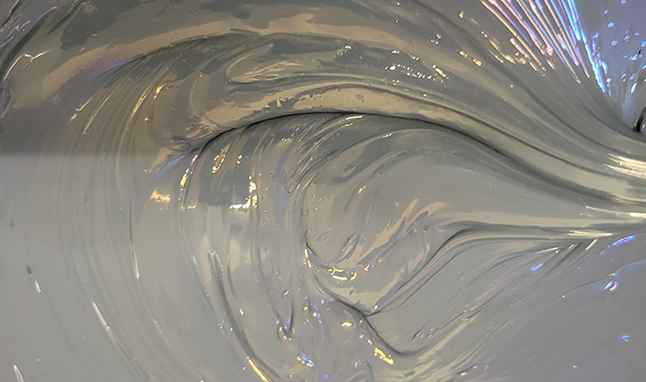
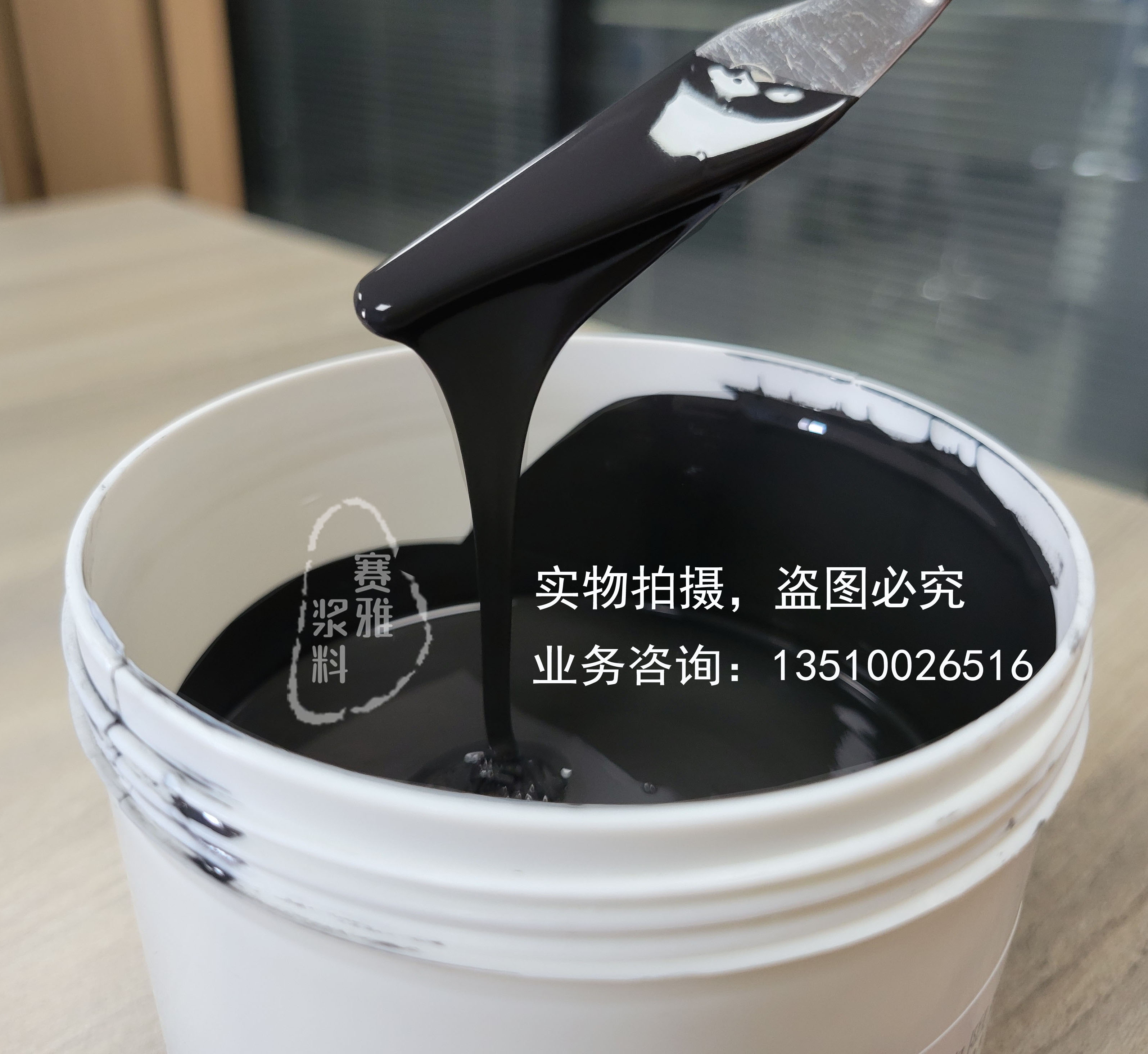
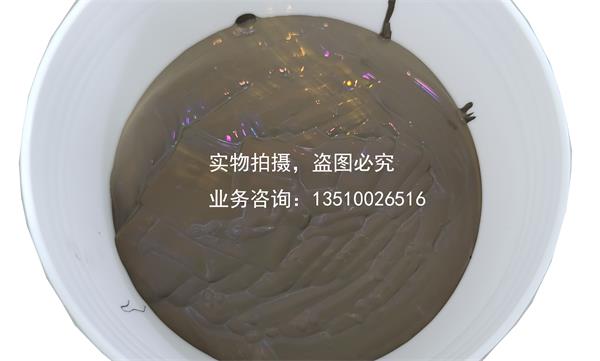
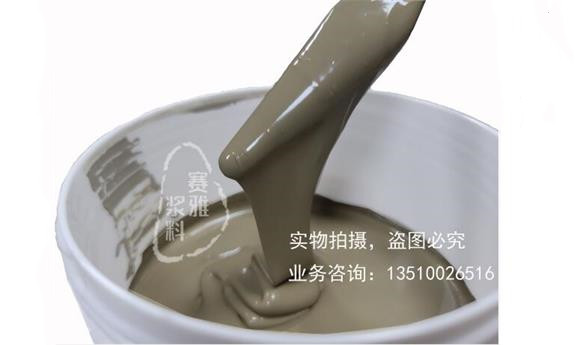
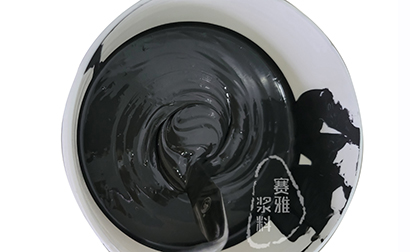
Thick-film electronic pastes, as the basic material for manufacturing thick-film components,Electronic pasteThere are many classification methods.
According to different applications, they can be classified into three major categories: resist paste, conductor paste and dielectric paste.
Depending on the type of substrate used, they can be classified as ceramic substrates, polymer substrates, glass substrates and composite substrate electronic pastes. Currently, ceramic substrate electronic pastes are the most widely used. Among them, the Al2O3 ceramic substrate resistance paste has the earliest development, mature technology and the largest usage. AlN substrate and other new ceramic substrate electronic pastes meet the development requirements of high-power thick film circuits and their application fields are constantly expanding. They account for an increasing proportion in the ceramic substrate electronic pastes. The representative electronic pastes of polymer substrates, glass substrates and composite substrates are polyester and polyimide substrates, sodium calcium window glass substrates and glazed metal insulator substrate electronic pastes. All of them are new electronic pastes developed with the continuous expansion of the application fields of thick film circuits. They are fired at low, medium and high temperatures respectively. Due to their respective professionalism and non-replaceability, their market shares are expanding day by day.
According to the price difference of the conductive phase, it can be classified into precious metal electronic pastes and base metal electronic pastes. The representative systems of precious metal resistive pastes include palladium-silver electronic pastes and ruthenium-based electronic pastes. The representative of base metal electronic pastes is molybdenum disilicide resistive paste. Although precious metal pastes have outstanding advantages such as high stability, reliability, high precision and long lifespan, and occupy an absolute dominant position in electronic technology, reducing costs, reducing the usage of precious metals and using base metals is the direction of the development of electronic pastes.
According to the different sintering methods, it can be divided into high-temperature sintered electronic paste, medium-temperature sintered electronic paste and low-temperature drying-type electronic paste. The sintering method of resist paste has a significant impact on its performance. The establishment of the sintering method is not only related to the composition of the paste, but also has a great relationship with the type of substrate. The sintering temperature of high-temperature sintered electronic paste is generally around 850℃, while the sintering temperature of medium-temperature sintered electronic paste is generally within the range of 500-700℃. The series of electronic pastes prepared with organic resins belong to drying-type resist pastes, and the drying temperature is 120-250℃.
According to different applications, they can be classified into general electronic pastes and special electronic pastes. General electronic pastes have good process adaptability and compatibility, including high-performance electronic pastes and surface-mounted electronic pastes, which are widely used in high-reliability integrated circuits, precision discrete components, and surface-mounted resistor elements. Special electronic pastes mainly include thermistors pastes, surge resistors pastes, and high-power electronic pastes, which are respectively used for various thermistor sensing control components, surge protection circuits, and high-power thick-film components.