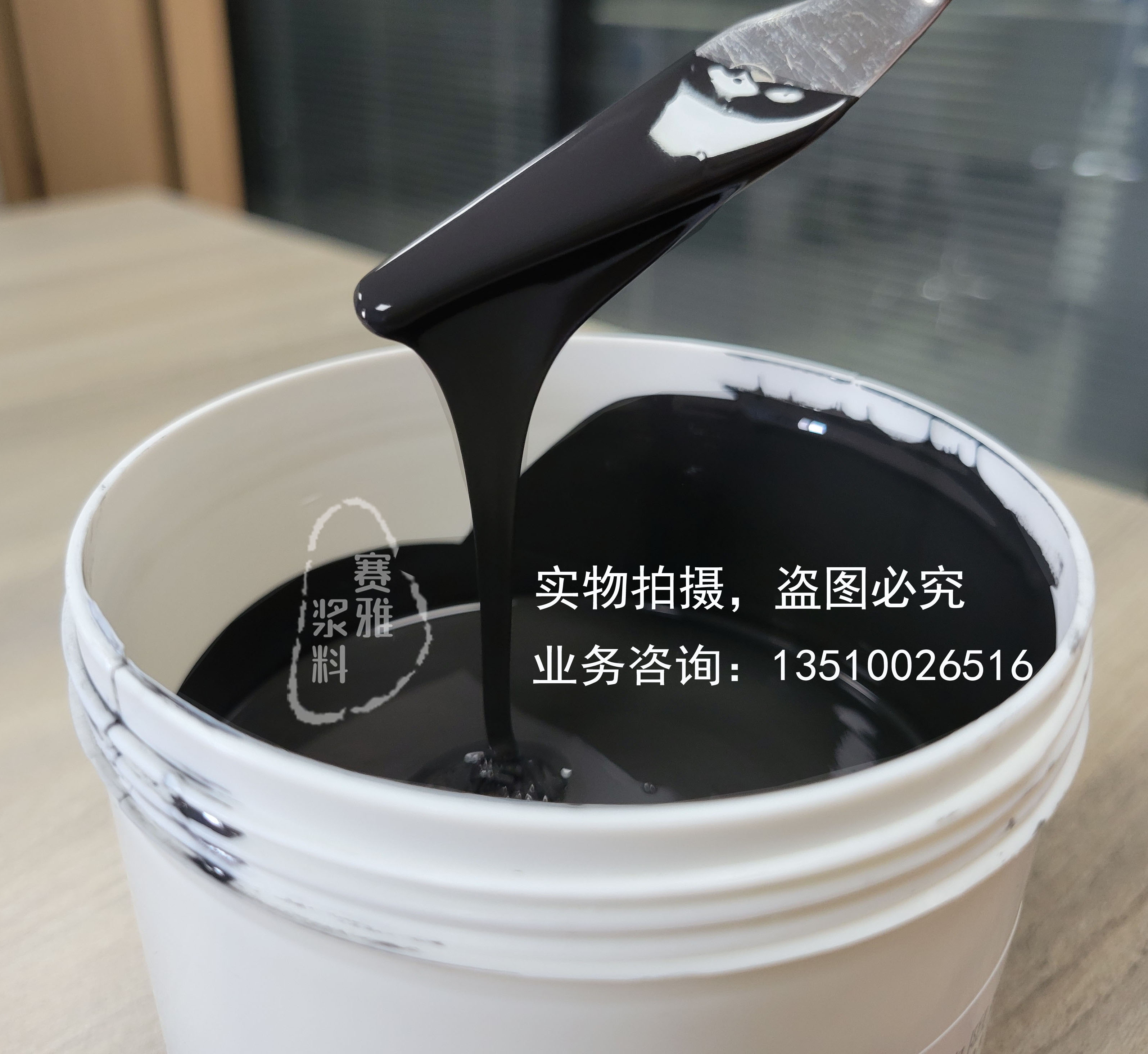
In recent years, the domestic electronics and photovoltaic industries have developed rapidly, and their applications have expanded significantly.Electronic pasteThe products are also undergoing rapid iterations and updates, and the performance requirements for the products are constantly increasing. Component analysis, as an effective means to assist in the development of new electronic pastes and performance improvement, is being used by an increasing number of enterprises.
What is Electronic paste
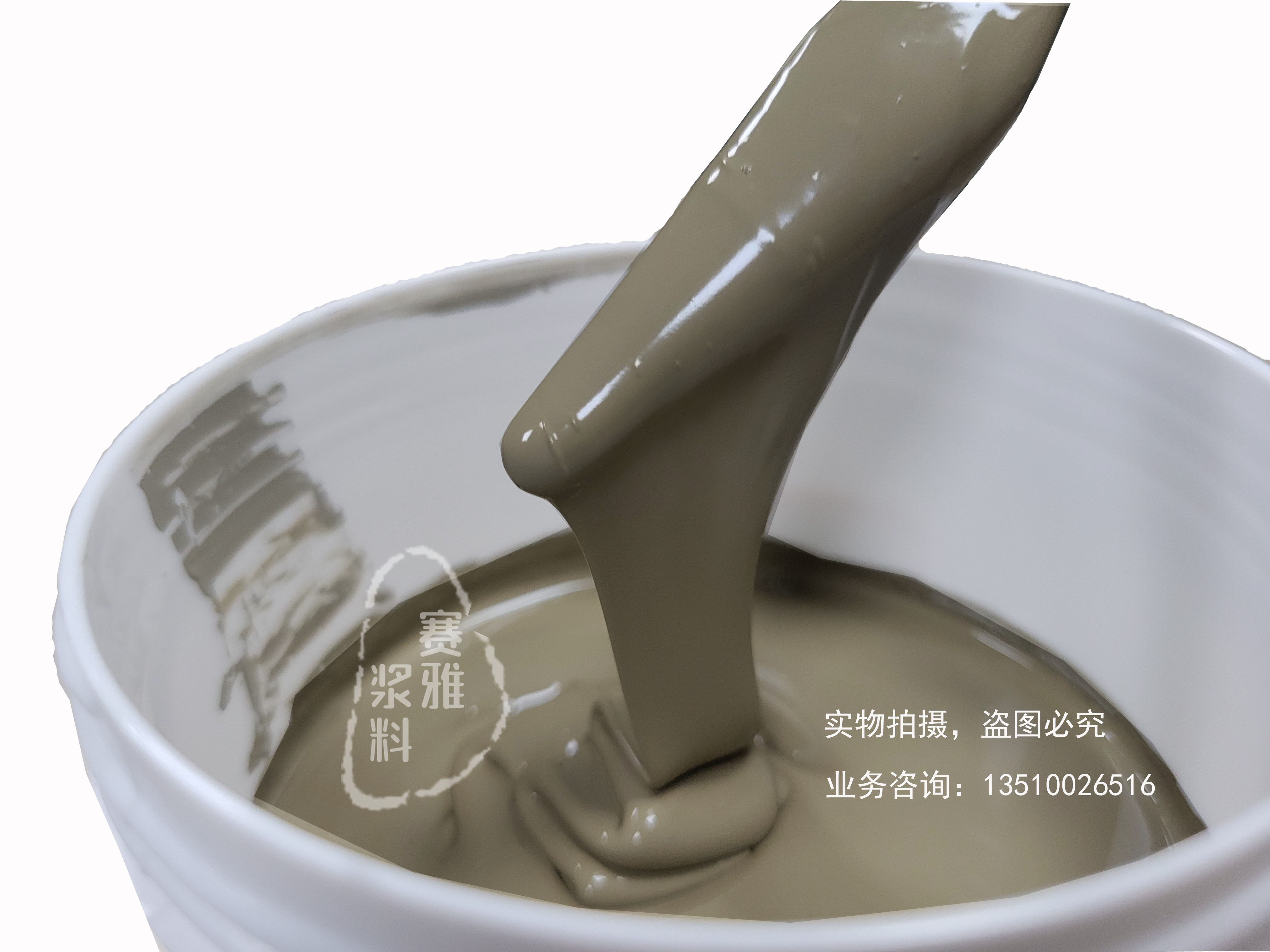
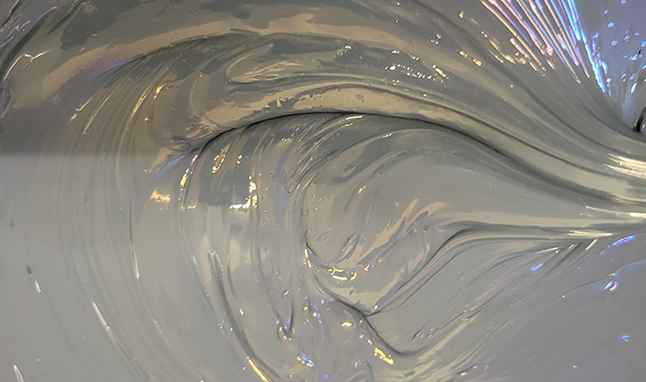
Definition: Electronic paste is the fundamental material for manufacturing thick film components. It is a paste-like substance formed by uniformly mixing solid powder and an organic carrier.
Usage: Widely used as conductors, insulators and dielectrics in various electronic components. From photovoltaic cells, displays to various circuits, it is an indispensable and important electronic material in the information technology industry.
Usage classification: It is divided into medium paste, resistance paste, conductor paste, back silver paste, front silver paste, and electrode paste, etc.
Substrate types: They are divided into ceramic substrates, glass substrates, metal-insulated substrates, and electronic pastes, etc.
Classified by operating temperature: it is divided into high-temperature sintering type (500 - 800℃), low-temperature curing type (130 - 200℃), and normal-temperature self-drying type.
Classified by metal type: It can be divided into silver paste, aluminum paste, nickel paste, ceramic paste, etc.
The components of the electronic paste
The sample system of the high-temperature sintering type mainly consists of resins, solvents, plasticizers, metal powders/glass powders/ceramic powders, dispersants, thixotropic agents, etc.
② The low-temperature curing systems can be mainly classified into epoxy curing systems, thermally initiated free radical polymerization systems, and organic silicon crosslinking curing systems.
③ The sample system of the self-drying type at room temperature is mainly composed of thermoplastic resins, solvents, metal powders, dispersants, defoamers, etc.
Analysis methods of electronic pastes
FTIR, NMR, GCMS, XRF, XRD, TGA, GPC, Py-GCMS, DSC, SEM-EDS, MS and other tests and analyses were conducted on the original samples as well as the samples processed through methods such as washing and separation. Spectral analysis was used to qualitatively and quantitatively determine the resins, solvents, fillers, additives, etc. in the samples.